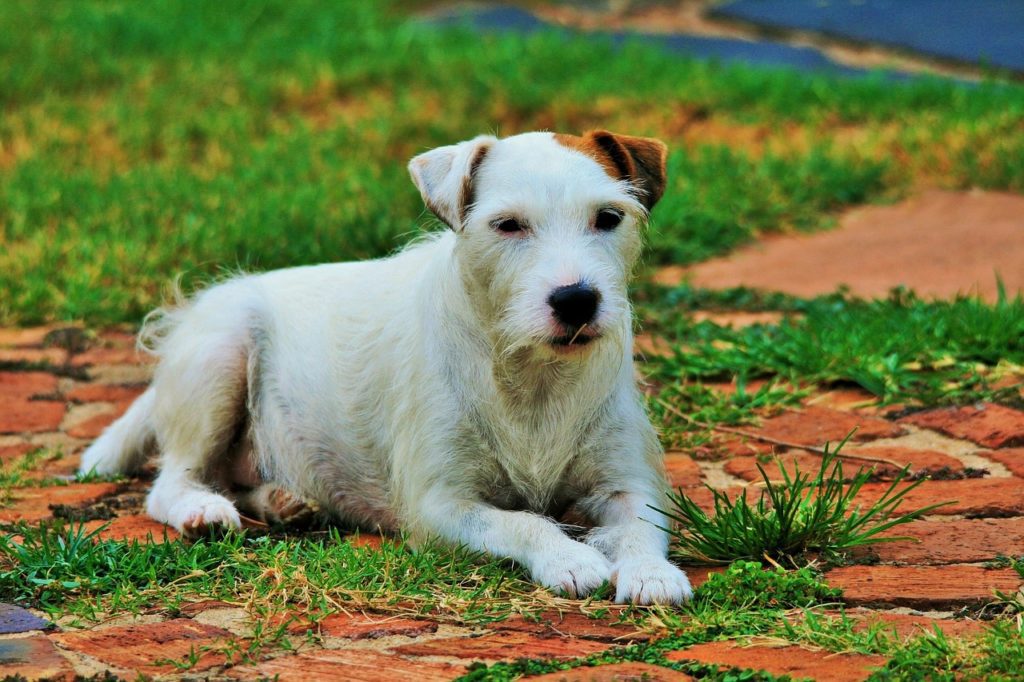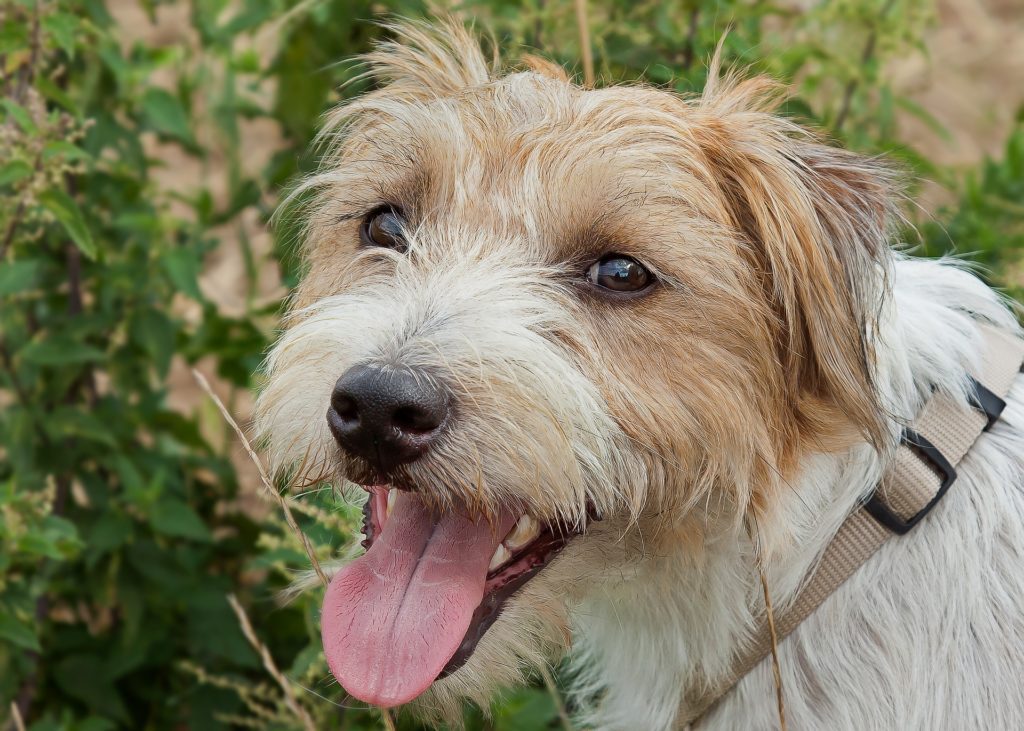
Problems With Off-Leash Dogs

There are many potential problems with off-leash dogs that may arise. It is understandable to want your canine to have the freedom to run without restraint, free to be unfettered and unrestricted. However, there can be consequences for both your dog and other dogs.
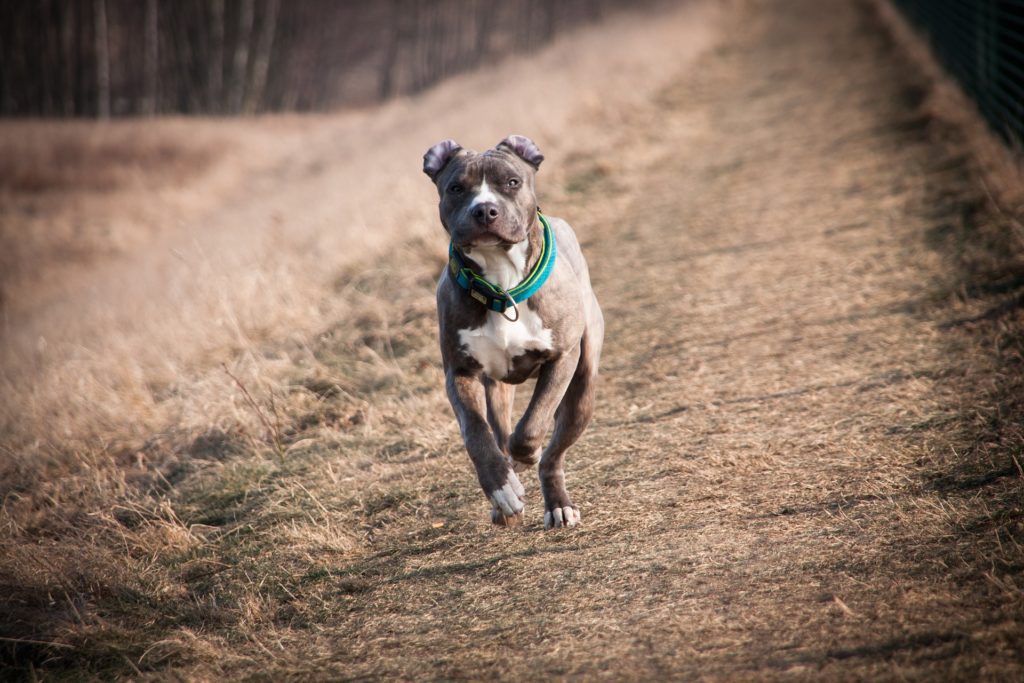
There can be many potential problems with off-leash dogs.
Potential Problems With Off-Leash Dogs

Problems with Off-Leash Dogs for Other Dogs

An unleashed dog that is free to run is also free to approach other dogs without confines. Even the best trained dog is still an animal with instincts and may, when provoked or otherwise stimulated, behave out of character. Your dog or the free-range dog may get injured or worse. There is a possibility the owners may become injured as well trying to break up a skirmish.

Even the friendliest of dogs can be difficult for another dog to handle when they are off-leash and barreling toward you and your beloved pooch at top speed. Despite the owner telling you to “relax” and “their friendly” there is no assurance an altercation will not arise. Your dog may not be friendly or they may not appreciate the exuberant approach of an unwelcome visitor.

Types of Dogs Experiencing Problems with Off-Leash Dogs

  • Senior Dogs – An older dog approached by an off-leash dog may be overwhelmed or feel threatened. This is an unequal position for the elderly pup to be in and they may become aggressive or simply cower.
  • Dogs Recovering from Medical Procedures, Illness, or Injuries – These dogs are fragile and don’t need another animal interfering with their healing process, no matter how “friendly” they are.
  • Shy Dogs – A timid dog may also be traumatized by an unwelcome dog coming toward them. Some dogs do not like to socialize and should not be forced into it. Dogs owners who allow their dogs off-leash and cannot control them create an unsafe situation for shy dogs, real or perceived.
  • Fearful Dogs – Some dogs are just out-right afraid of other dogs. Perhaps they are small and larger animals intimidate them. Or they don’t like to be approached by dogs they don’t know. Anytime your dog finds an experience overwhelming it should be avoided.
  • Potentially Aggressive Dogs – Some dogs may become aggressive when they feel threatened. A dog flying toward them can cause even the best trained, even-tempered animal to become combative, feeling the need to defend themselves.

One animal being off-leash and another dog leashed creates a socially unequal situation. This is the perfect recipe for a fight to break out. In an ideal situation, both dogs would be leashed and on equal footing. The dogs would be allowed to come in contact only when agreed upon by both owners and only when both dogs are open to the greeting.

Remember, most places have leash laws. These laws are in place to protect you and your dog. Should an aggressive animal be off-leash, or you have problems with off-leash dogs, be sure to report it to the authorities. A problem for you is sure to be a problem for another person and you may save someone else a potential heartache.
6 Types of Retriever and Their Characteristics

There are six types of retriever in this breed category. Together they share characteristics in common and some traits that are different. For example, all are water dogs. They love the water and were bred to retrieve hunted prey from lakes and ponds. They are not, however, the same size, colors, or temperaments.

There are six retriever breeds recognized by the American Kennel Club.

Types of Retriever Breeds

  1. Labrador Retriever – The Lab is number one in popularity among dog breeds overall by the American Kennel Club. This 55–80-pound dog stands 21-25 inches tall and is thought to be the ultimate family dog. They are great with small children and other animals, those in the family and strangers alike. The labs short, dense coat comes in black, yellow, and chocolate. Labradors have pronounced eyebrows which sets them apart from other retriever breeds. Learn more about the Labrador Retriever.
One of the types of retriever is the Labrador
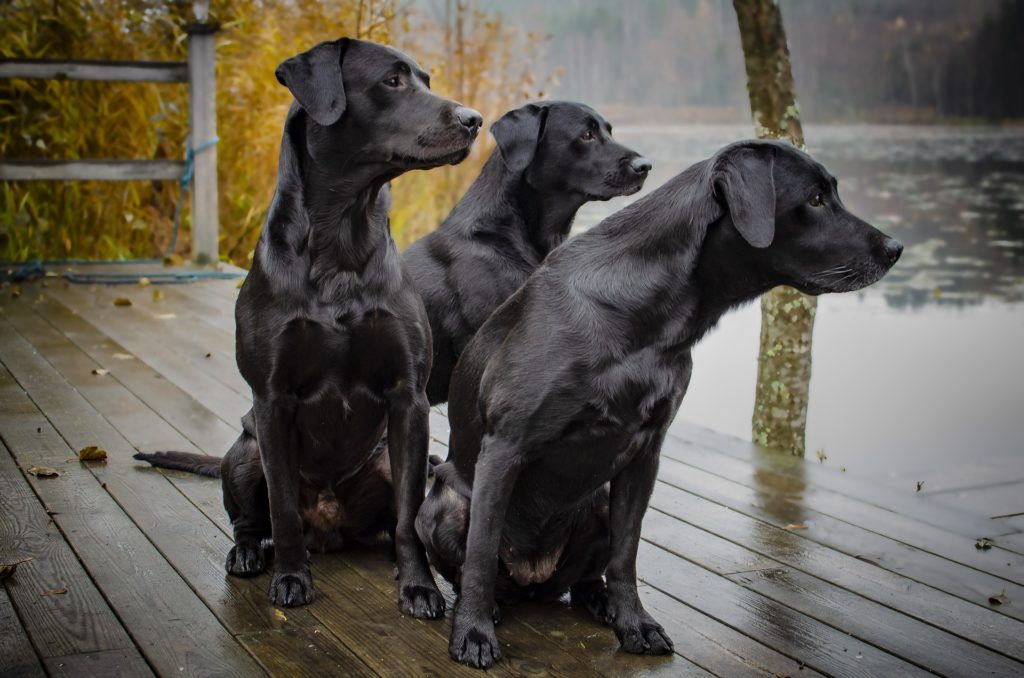
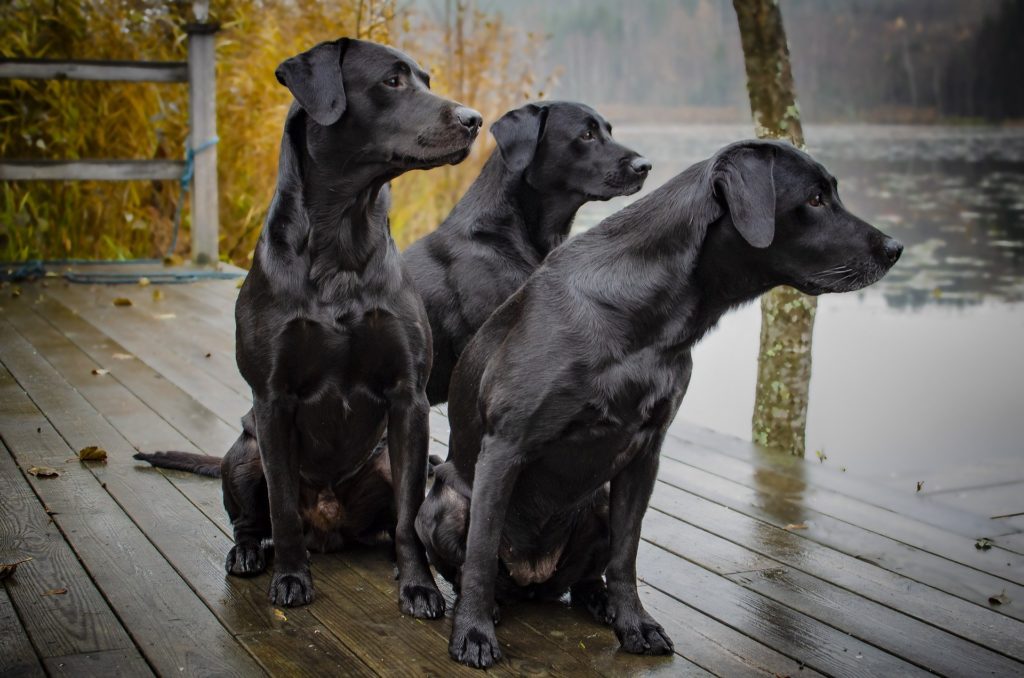
Three black labs on a dock
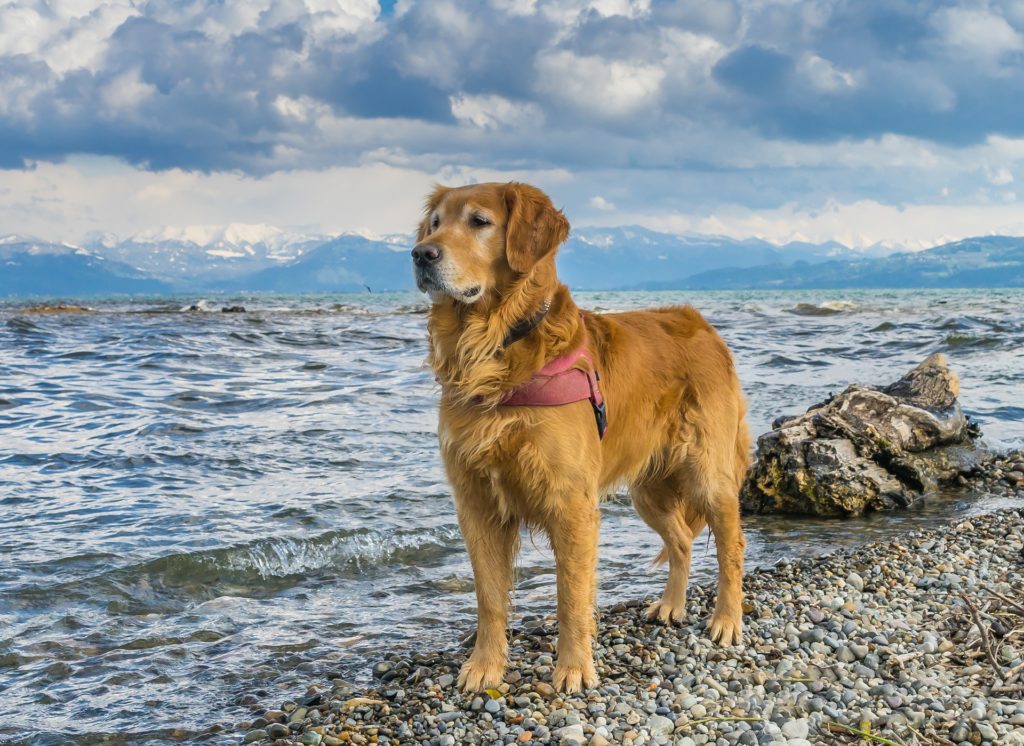
  • Golden Retriever – The Golden ranked number four on the AKC’s list in 2020. Goldens are known to be amazing family dogs, good with children of all ages and other dogs as well. They stand 21-24 inches tall and weigh 55-75 pounds depending on sex. They have dense, feathery, golden fur that requires daily brushing. Goldens seem to smile at you. Learn more about the Golden Retriever.
Golden retrievers are happy, loyal dogs and are great with families.
Golden retriever by the shore
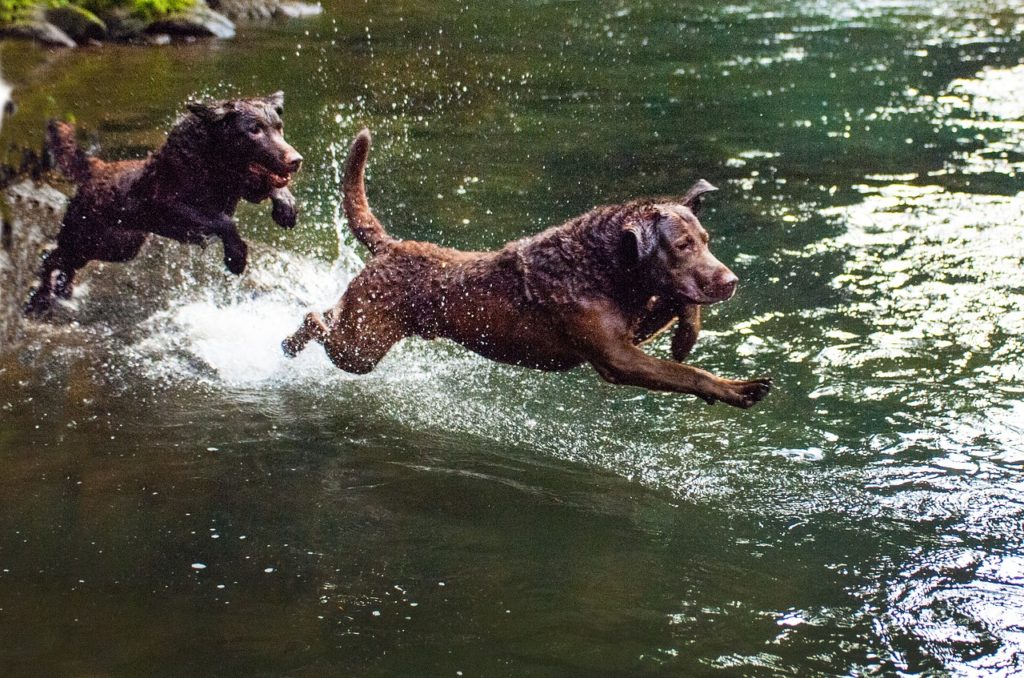
  • Cheasapeake Bay Retrievers – Chessies come in at number fifty on the AKC list. This breed is slighty taller at 21-26 inches at the shoulder, but still weighs between 55-80 pounds. The Chessie is a gundog. They make excellent hunting dogs and watchdogs. They are affectionate family dogs but should be monitored around small children and other animals they do not know. This breed has an oily, waterproof coat. Their wavy fur comes in chocolate, sedge, and deadgrass which compliments their yellow eyes.
Two Chesapeake Bay Retrievers splashing through a stream
Chesapeake Bay Retriever
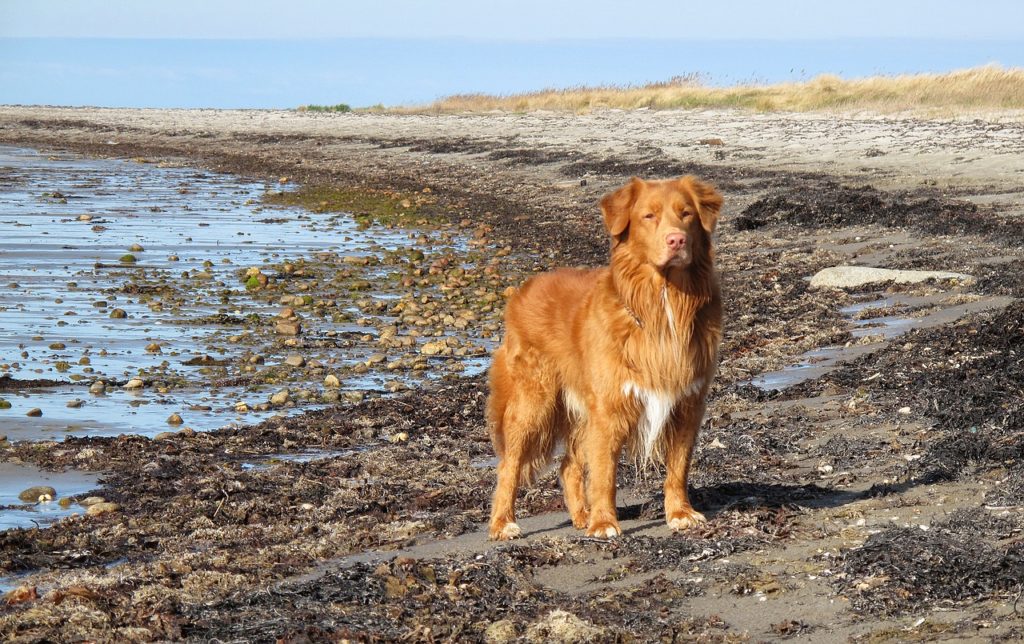
  • Nova Scotia Duck Tolling Retrievers – The Toller ranks ninetieth on the Most Popular dogs list by the AKC. This breed is the smallest of the retrievers standing 17-21 inches tall and weighing only 35 to 50 pounds. These athletic gundogs are not short on energy. They are equally good with their families and as hunting dogs. Tollers have red coats with white markings and almond shaped eyes. Learn more about the Nova Scotia Duck Tolling Retriever.
One of the types of retriver specifically known for collecting waterfowl out of the shallows of lakes and ponds is the Nova Scotia Duck Tolling Retriever
Nova Scotia Duck Tolling Retriever
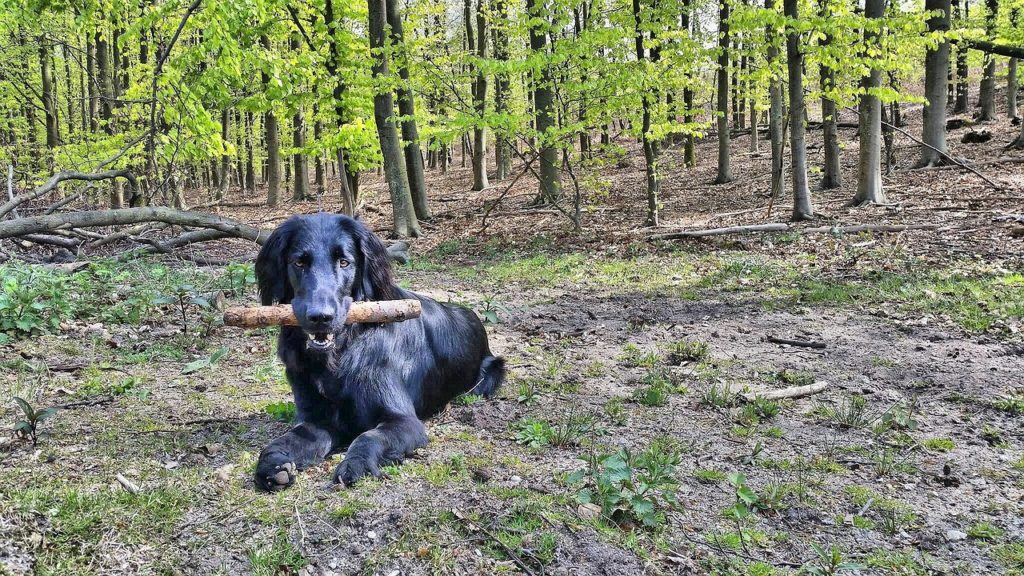
  • Flat-Coated Retrievers – Flat-Coats come in at 102 on the AKC’s list of the most popular dogs. They are the same height as a Golden or Lab but are slenderer in build. They make an excellent family dog being good with small children and other animals. As their name implies, they have a flat-lying coat that comes in either black or liver. They have feathering on their legs and tail.
Flat-Coated Retriever with a stick in the woods
Flat-Coated Retriever
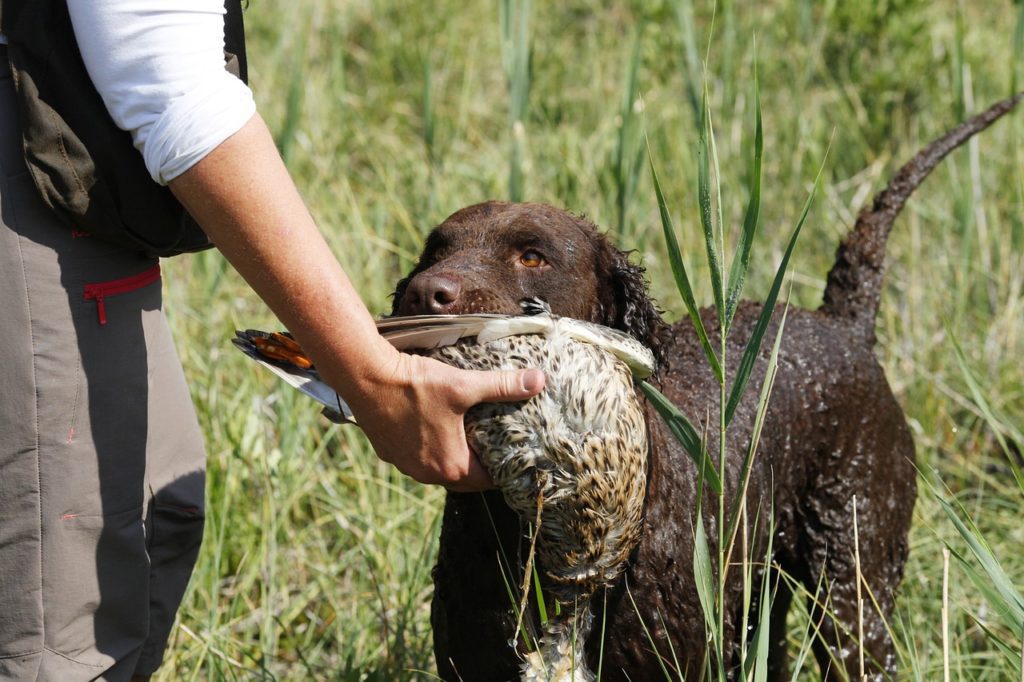
  • Curly-Coated Retrievers  – The Curly weighs in 159th on the list. They are more stately and polished than other retrievers. They are shrewd, poised and proud. These retrievers stand the tallest at 23-27 inches at the shoulder. Their tightly curled, short coat is waterproof and repels thorns and brambles. Like the Flat-Coat they are either black or liver in color. The Curly is the only type of retriever with a wedge-shaped head. Curlys make excellent family dogs and are good with small children but should be monitored around other dogs and pets.
The Curly-Coated Retriever is the tallest of the different types of retrievers.
Curly-Coated Retriever

There are seven characteristics of retrievers common to all retriever breeds. Their shared name gives it all away. Retrievers were bred to do exactly that, retrieve. They are gun dogs, whose job it is to recover the fallen quarry from the field or from water.

The primary attribute they all share is a love of the water. They are eager and enthusiastic to play and work in lakes and streams. Another of the characteristics of retrievers that makes them perfect for water is they all have webbed feet. This allows them to get around easier when going to fetch the prize.

Characteristics of Retrievers

  • Retrieve quarry
  • A love of water
  • Webbed feet – As water dogs that retrieve waterfowl, they have a flap of skin between their toes to aide in swimming.
  • “Soft mouths” – This means they do not bite hard. They are retrievers and they are taught and know instinctively to be gentle with the items they pick up.
  • Folded ears – Retrievers ears fold down and hang over in a tear drop shape.
  • Long tails – Their tails are over half the length of their bodies.
  • Happy, enthusiastic expressions – These dogs just seem to smile at you.

Retrievers overall make good family pets. They are considered medium to large sized dogs but would require a large PlexiDor Dog Door. Contact our Customer Service Team to find out more about our secure, energy efficient dog doors. They are available in white and bronze and made for installation in walls, doors, and glass. Contact us today!

Reasons For and Against a Raw Food Diet for Dogs

Many people are feeding their dogs a raw food diet. It is becoming increasingly popular. This consists of raw meat and bones, organs and raw fruits and vegetables. (Not all fruits and vegetables are safe for dogs. Be sure to do your research.) While there are many purported health benefits to feeding a raw food diet, there are disadvantages too.

Chicken is a large part of a raw food diet for dogs

Benefits of a Raw Food Diet

  1. You know what you’re feeding your dog. You make it yourself and can source it however you like.
  2. It’s easy to customize. Another benefit of homemade food is small adjustments are no problem. Preparing your athlete for a sporting event or bulking up for the winter are easy changes with this diet.
  3. There can be physical and mental benefits…
  • Enhanced Joint and Bone Health – There is no better way to support healthy bones than with all the body building sources like calcium, phosphorus, chondroitin, glucosamine, collagen and marrow.
  • Softer, Shinier Coat & Better Skin Condition – Raw diets can be rich in omega-3 fatty acids most notably from salmon, chia seeds and flax seeds.
  • Reduced Stool Volume – With highly digestible food comes less waste. The food is absorbed and used with better efficiency so there is less coming out the other end.
  • Mental Benefits – There have been reported cases of shy dogs becoming more social, aggressive dogs more personable, and grumpy dogs more playful. People’s guts are tied to our emotions, why not our dogs?

Disadvantages of Raw Food

  1. It’s expensive. Raw meats twice a day, not to mention organic, grass fed, free-range, ethically raised raw meats, can get expensive fast.
  2. Preparing the food is time consuming. Don’t forget to include disinfecting of the space and research to ensure your dog is getting the proper nutrition from his raw food diet and it almost becomes a full time job.
  3. It takes up a lot of freezer space. You will need more room than just your refrigerator’s freezer. For many apartment dwellers adding a chest freezer is just simply not an option.

There are benefits to a raw food diet such as health benefits and of course knowing exactly what you’re feeding your pet. However, the cost may not be worth it for your situation in the end. Perhaps another flyball class is a better choice for you and you’ll keep feeding Fido the kibble. Every pet parent must make their own decisions based on what’s best for their dog and themselves. It’s just good to know there are options available.

15 Most Popular Spaniel Dog Breeds and Their Characteristics

General Spaniel Dog Breed Information

There are several shared characteristics of spaniel dog breeds. They all share a similar temperament and are gentle, loving, eager to please and generally good with children and other pets. They were historically bred for hunting and have a strong prey drive. Despite coming in a wide range of sizes, the spaniel dog breed seems to all have long ears, soft, silky coats and penetrating, soulful eyes.

There are fifteen distinct breeds in the spaniel dog breed sub-type. They were originally bred for hunting and continue to be used for hunting today to some degree. Their hunting history causes them to be alert and active. However, spaniels are more commonly companion dogs now and are known for their affectionate natures and devotion to their families.

Most spaniels are medium-sized dogs with distinctive drooping ears and a broad muzzle. They have wavy or curly hair on their ears, tail, and legs and will require daily brushing and regular baths. Intelligent and loyal, they are prone to separation anxiety when they cannot be with their humans.

Spaniels are generally high-energy and spirited. They tend to do best in an active household or should be kept busy in competitive dog sports. Although typically obedient, spaniels that are not kept busy with enough exercise and enrichment can become bored and develop problem behavior.

15 Most Popular Spaniel Dog Breeds and Their Unique Characteristics

Cavalier King Charles Spaniel

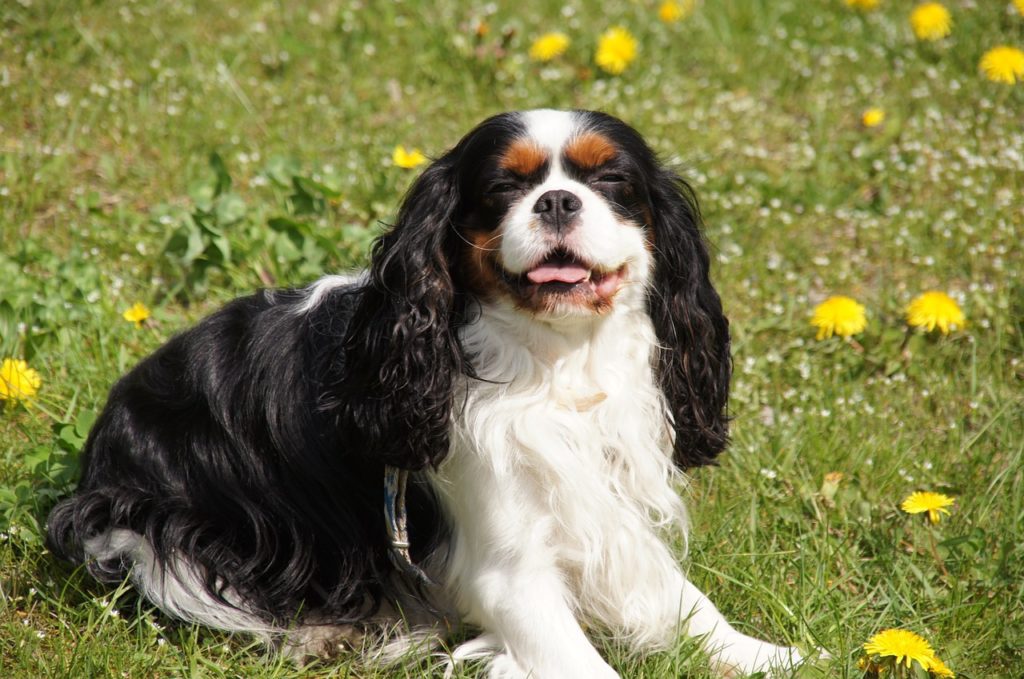
  • The most popular of all the spaniel dog breeds and ranked number fourteen on the American Kennel Club’s (AKC) Most Popular Dogs List overall, Cavaliers are also among the smallest. They stand only 12-13 inches at the shoulder and weigh 13-18 pounds. They were originally bred as companions for British nobility. They are loving, friendly, carefree, and agreeable. They get on well with children and other animals and adapt their lifestyle to yours. They will be as active as the family and comfortable in that role. Cavaliers are in the AKC’s Toy Group classification of dogs.
The Cavalier King Charles Spaniel is one of fifteen spaniel dog breeds.
Cavalier King Charles Spaniel

English Springer Spaniel

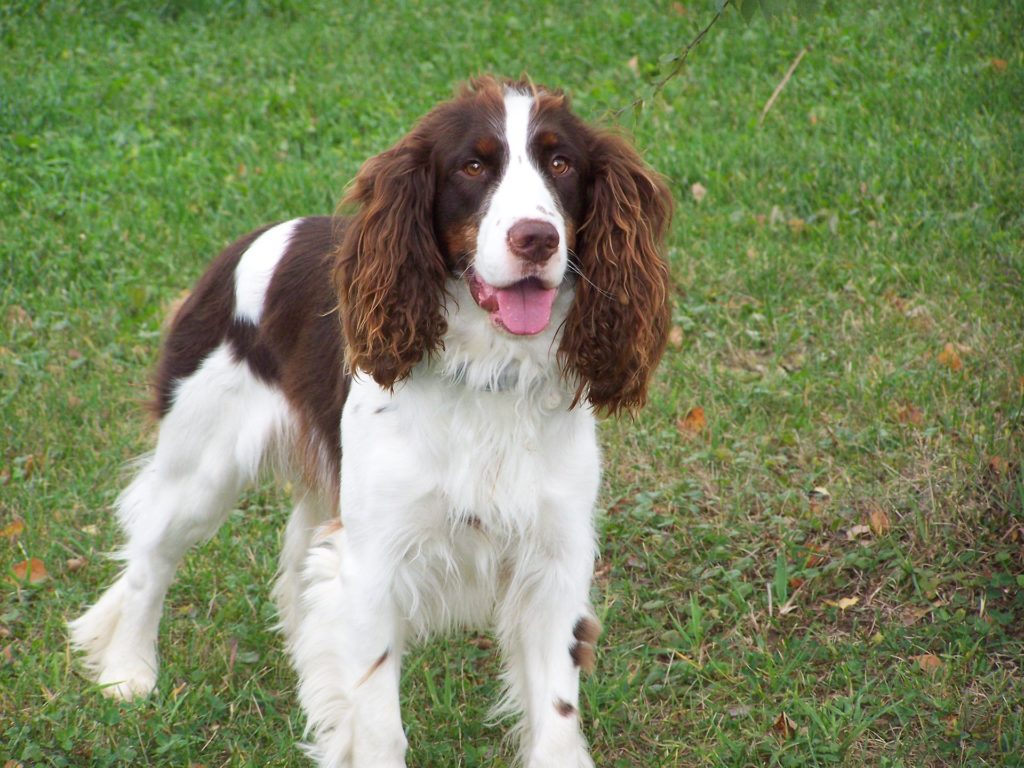
  • English Springers rank twenty-seventh on the American Kennel Club’s (AKC) Most Popular List and love the opportunity to have a job to do. They make excellent hunting dogs and are often drug or bomb detection dogs for police and military. They were bred to work with humans and are very unhappy when apart from them. They enjoy close companionship and are good with children. They stand 19-20 inches high and weigh 40-50 pounds. English Springers are in the AKC Sporting Group.
English Springer Spaniel waiting for his master to throw something
English Springer Spaniel

American Cocker Spaniel

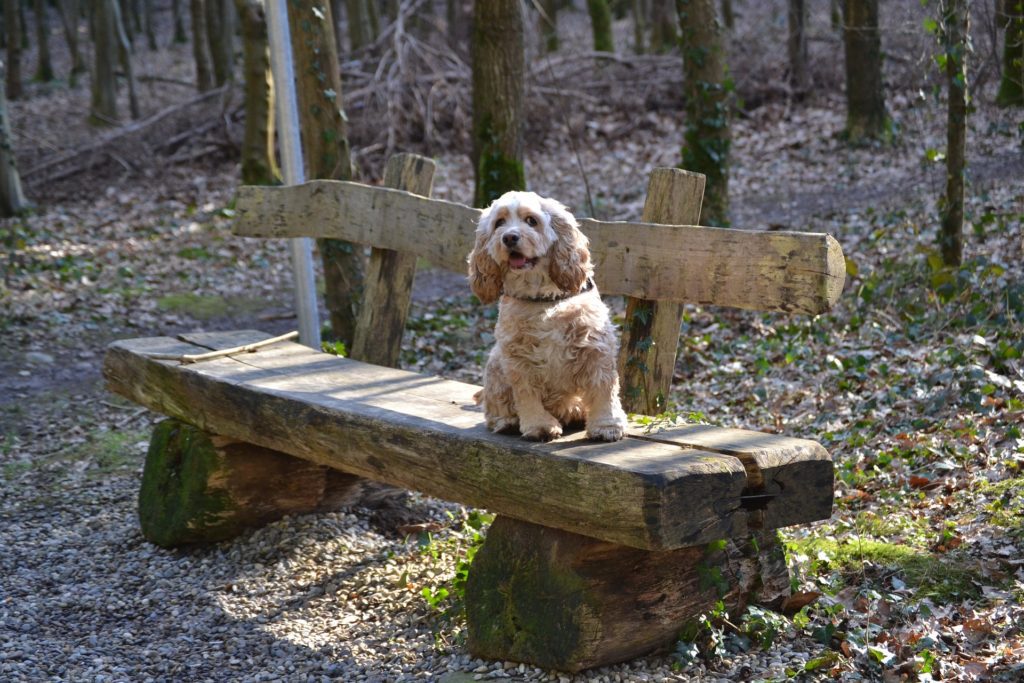
  • Cockers come in thirtieth in popularity of the spaniel dog breeds. Bred as hunting dogs, they are better known today as companion animals. They are the smallest of the Sporting Group at 14-15 inches and weighing 20-30 pounds. Cockers are lively and endearing and make wonderful playmates for children. They love playtime and fast-paced walks. Their fur is high maintenance for grooming unless kept short.
American Cocker Spaniel sitting on a rustic bench in the woods.
American Cocker Spaniel

English Cocker Spaniel

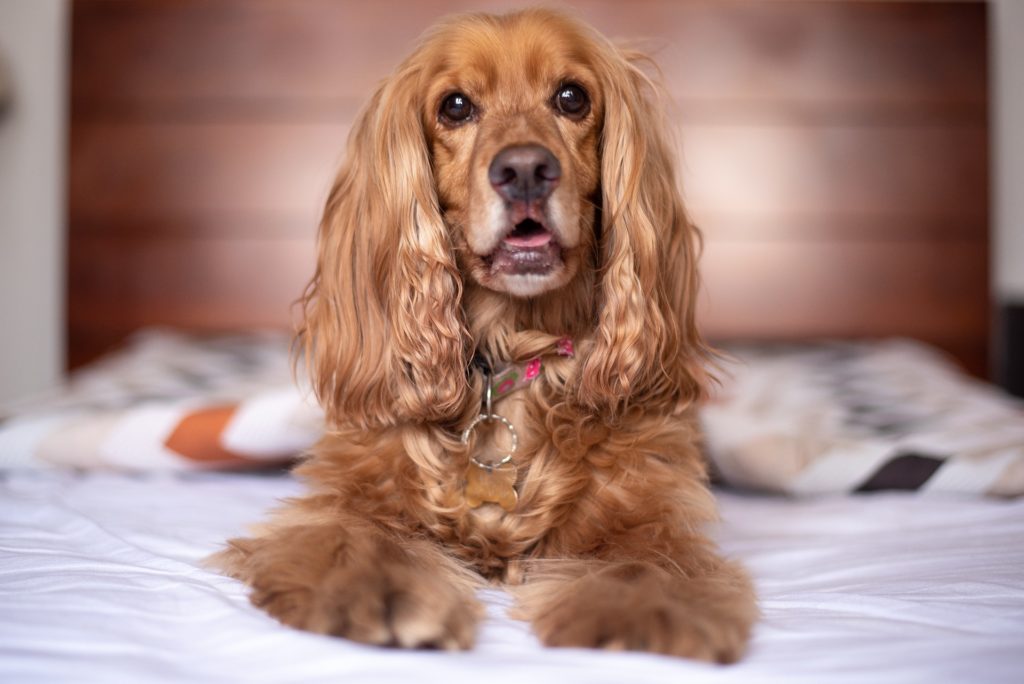
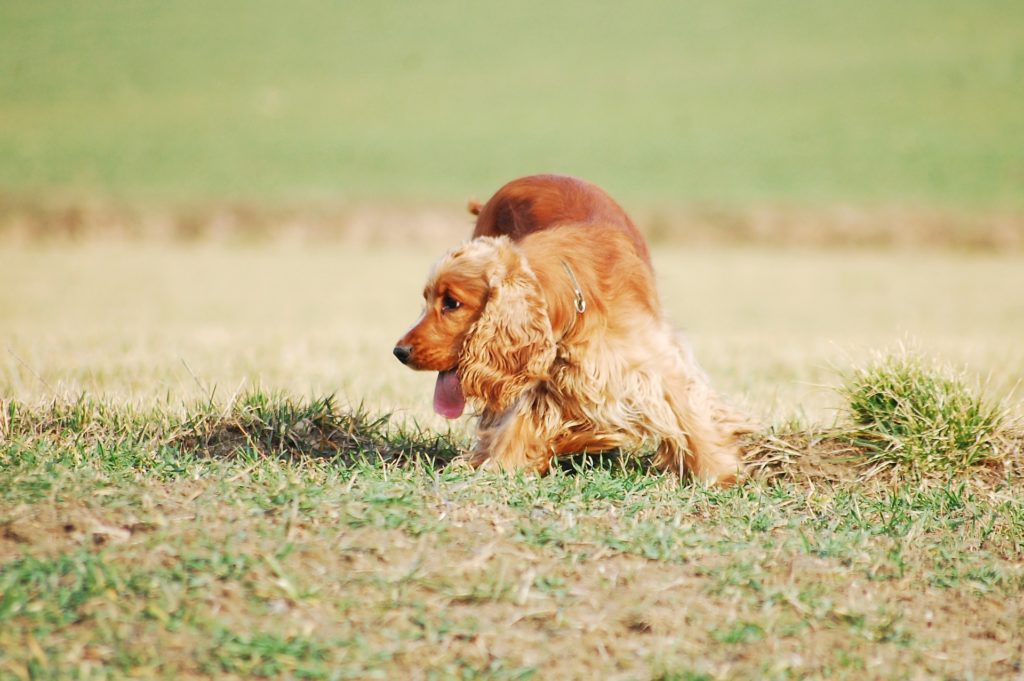
  • The English Cocker is 39th among all dogs and fourth among all spaniel dog breeds. These bird dogs are fantastic at flushing out gamebirds, but just as adept at fitting into family life. They stand 15-17 inches at the shoulder and weigh 26-34 pounds. English Cockers are larger, have a longer and a less domed head than the American Cocker Spaniel. They also have less fur than the American Cocker. Often referred to as a “merry” dog, no matter the dog’s occupation his tail rarely stops wagging. They make wonderful family dogs and are excellent with children and other animals.
The English Cocker Spaniel is often confused with another of the spaniel dog breeds, the American Cocker Spaniel.
English Cocker Spaniel

Papillon

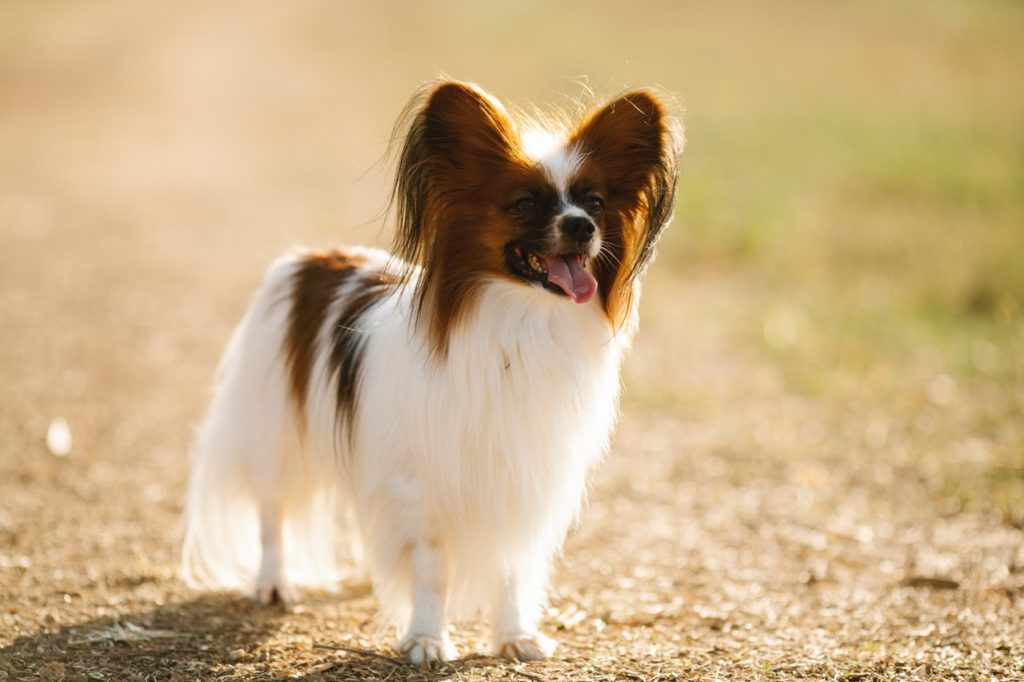
  • Surprisingly, the Papillon is part of the spaniel group. This dog’s drop ears were selectively bred to be the upright butterfly-like shape they are now. Papillon are one of the smallest toy spaniel dog breeds weighing only 6-10 pounds and standing just 8-11 inches. They are 45th on the American Kennel Club’s (AKC) popularity chart in America. A highly intelligent and easily trainable breed, they do well with learning skills and new tricks.
The Papillion is French for butterfly and is so named for its distinctive ears
Papillion

Less Popular Spaniel Dog Breeds

Boykin Spaniel

  • The Boykin Spaniel, the official state dog of South Carolina, is a medium-sized sporting spaniel dog breed known for its friendly, energetic personality and love of water. Ranking 75th out of 197 breeds by the American Kennel Club (AKC), Boykins typically stand 15.5-18 inches tall and weigh 30-40 pounds. Originally bred for hunting ducks and turkeys in the Wateree River Swamp of South Carolina, these “Little Brown Devils” as they are known are skilled swimmers with a love for adventure.

Tibetan Spaniel

  • Don’t be fooled by the name! The Tibetan Spaniel, ranked 121st  on the American Kennel Club’s (AKC) Most Popular List of 2023, isn’t actually a spaniel in the traditional sense. This small companion dog, weighing 9-15 pounds and standing 10 inches tall, is classified by the AKC in the Non-Sporting group. Nicknamed “Tibbies,” these long-haired charmers were bred by Tibetan monks as loyal companions and watchdogs. Fun fact: Tibetan Spaniels are depicted in ancient Eastern art, and some believe they were historically considered reincarnated humans!

Welsh Springer Spaniel

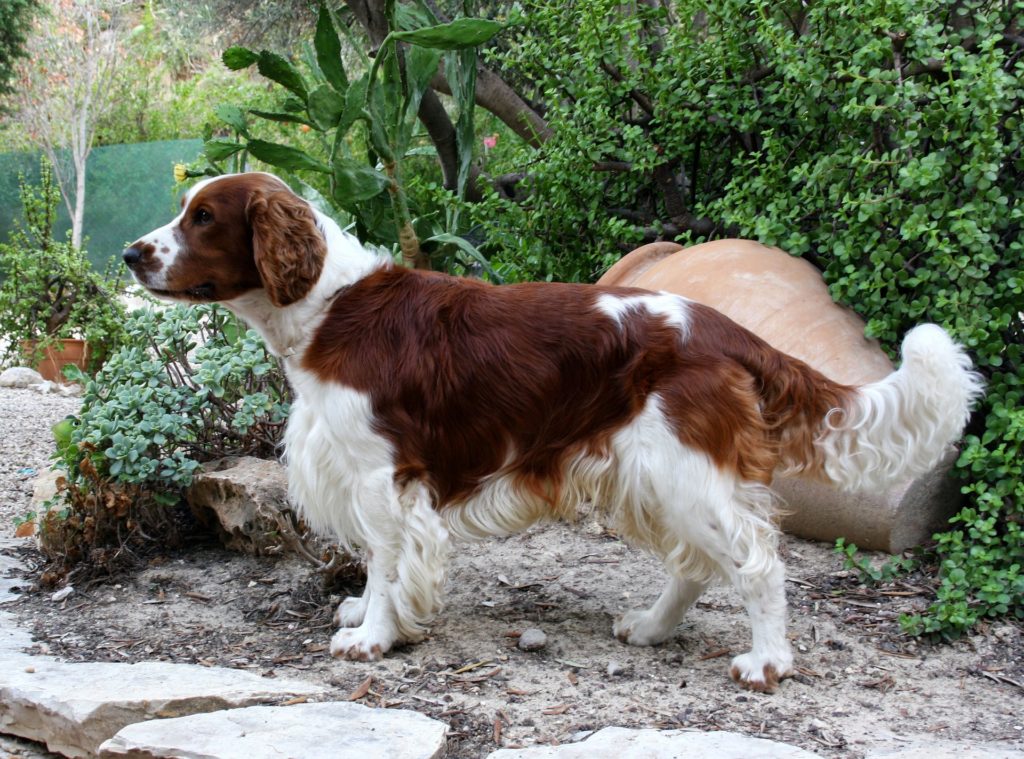
  • Welsh Springer Spaniel – A cheerful and energetic dog, these “Velcro” dogs, occupy the 132nd  spot recognized by the American Kennel Club (AKC). Classified as a Sporting Dog, this “Welshie” stands between 17 and 19 inches tall and boasts a weight proportionate to its height.
  • Beyond their good looks, Welsh Springers are known for their versatility.  These tough little athletes have a waterproof double coat that shields them while working in the field, and their namesake “springing” gait allows them to navigate dense undergrowth with agility.  Fun fact: Unlike other Spaniels, Welsh Springers have a uniquely tapered head, adding to their distinctive charm.
Welsh Springer Spaniel alert and ready for exercise
Welsh Springer Spaniel

English Toy Spaniel

  • Also known as a “Charlie” after King Charles II who adored them, this dainty dog with a big heart is ranked 145th by the American Kennel Club (AKC). These Toy Group charmers stand at a petite 9-12 inches tall and weigh in at a mere 8-14 pounds.
  • Don’t let their size fool you though!  English Toy Spaniels are surprisingly lively indoors but maintain a dignified calmness when out and about.  They come in four beautiful coat color variations: Blenheim (red and white), King Charles (black and tan), Prince Charles (white, black, and tan), and Ruby (solid red).  Interestingly, despite their historical association with royalty, English Toy Spaniels are known for being surprisingly adaptable and happy in a variety of living situations.

Field Spaniel

  • This sweet and docile companion dog is ranked 147th on the American Kennel Club’s Most Popular List of 2023 (AKC). They are a medium-sized Sporting Dog standing 17-18 inches tall and weighing 35-44 pounds. Once bred for show rather than function, these dogs were later recrossed with other Spaniel dog breeds to regain their hunting abilities. With a glossy black, liver, or roan coat, Field Spaniels are known for their intelligence and love of spending time with family, making them excellent choices for active owners who can provide them with training and playtime.
This Field Spaniel is alert and ready to exercise
Field Spaniel

Clumber Spaniel

  • This gentle giant of the Spaniel family ranks 148th on the Most Popular list by the AKC and is a powerful Sporting Dog known for its distinctive look. Standing 17-20 inches tall and weighing 55-85 pounds, these low-slung charmers have a dense white coat with lemon or orange markings. Nicknamed the “Gentle Giant,” Clumber Spaniels are known for their sweet and affectionate temperament, but their history lies in flushing and retrieving game birds in dense cover, making them a surprising combination of cuddle buddy and capable hunter.

Nederlandse Kooikerhondje

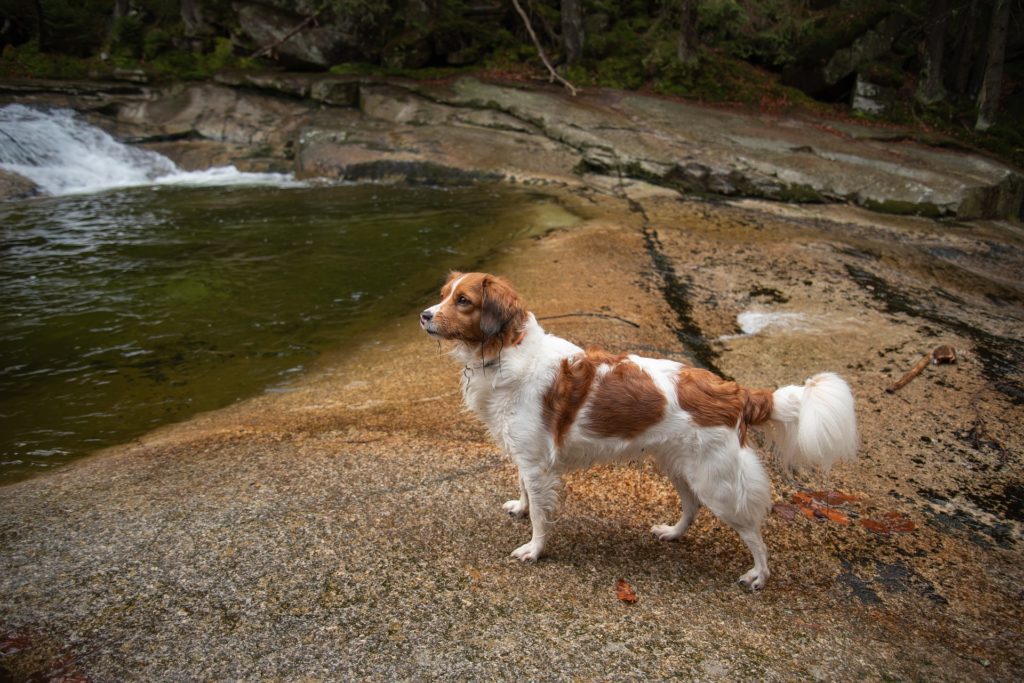
  • Affectionately called the Kooiker and recently recognized by the American Kennel Club (AKC) in 2018 is a charming little spaniel dog breed with a big personality. Weighing in at 20-24 pounds and standing 15-18 inches tall, this Sporting Dog is classified as the national dog of the Netherlands. Nicknamed the “Duck Decoy Dog,” Kooikers have a fascinating history of luring ducks into elaborate traps using their playful temperament and unique white and orange markings. The Nederlandse Kooikerhondje ranks 161st on the AKC’s Most Popular list.
This Nederlandse Kooikerhondie is on high alert next to flowing water
The Kooikerhondje

American Water Spaniel

  • The official state dog of Wisconsin and a member of the Sporting Group, this spaniel is a versatile hunting companion known for its love of water. Standing 15-18 inches tall and weighing 30-45 pounds, this medium-sized spaniel boasts a curly brown coat that repels water and keeps them warm during retrieves. Bred in the 19th century by hunters in the Great Lakes region, these energetic athletes excel at flushing and retrieving waterfowl in all conditions, making them a cherished partner for outdoorsy owners. It ranks 168th on the Most Popular list by the American Kennel Club.

Sussex Spaniel

  • This jolly soul ranked 174th by the American Kennel Club (AKC), is a low-set Sporting Dog with a surprising amount of power under its hood. These sturdy fellows stand 15-16 inches tall and weigh 45-50 pounds. Don’t be fooled by their sometimes grumpy expression – Sussex Spaniels are known for their affectionate and loyal personalities. Originally bred to hunt small game in dense undergrowth, these unique spaniels combine their love of family time with a surprising tenacity in the field.

Irish Water Spaniel

  • The tallest of the Spaniel breeds and ranked 177th by the American Kennel Club (AKC), the Irish is a striking dog built for water work. Standing 21-24 inches tall and weighing 55-65 pounds, this Sporting Dog boasts a liver-colored, curly coat that repels water and a distinctive topknot of long curls. Bred for hunting waterfowl in harsh Irish conditions, the Irish Water Spaniel is a powerful swimmer with a tireless work ethic. Despite their impressive size, these gentle giants are known for their playful personalities and loyalty, making them excellent companions for active families that enjoy exercise.

Spaniel dog breeds were primarily bred for hunting and are mostly in the American Kennel Club’s Sporting Group. Only three are in the American Kennel Club’s Toy Group and were bred as companions for nobility. No matter the group they belong to, they are all active and alert. Spaniels are considered clever and easy-to-train overall.

Although considered a “medium-sized” dog, your spaniel may need either a medium or large PlexiDor Dog Door depending on their size. The medium door accommodates a dog up to forty pounds. Should your dog be close to that weight as an adult or will go over as they grow, you will want to get the large door. Contact Customer Service with queries or call 888-PET-DOOR with any questions.

Labrador Retriever Traits and Types

The Labrador Retriever is America’s most popular dog breed for over twenty-five years. This is easily understandable due to their friendly, sociable nature. Labradors are loving family dogs connecting with everyone in the family. They get along well with others in general, people and canines alike.

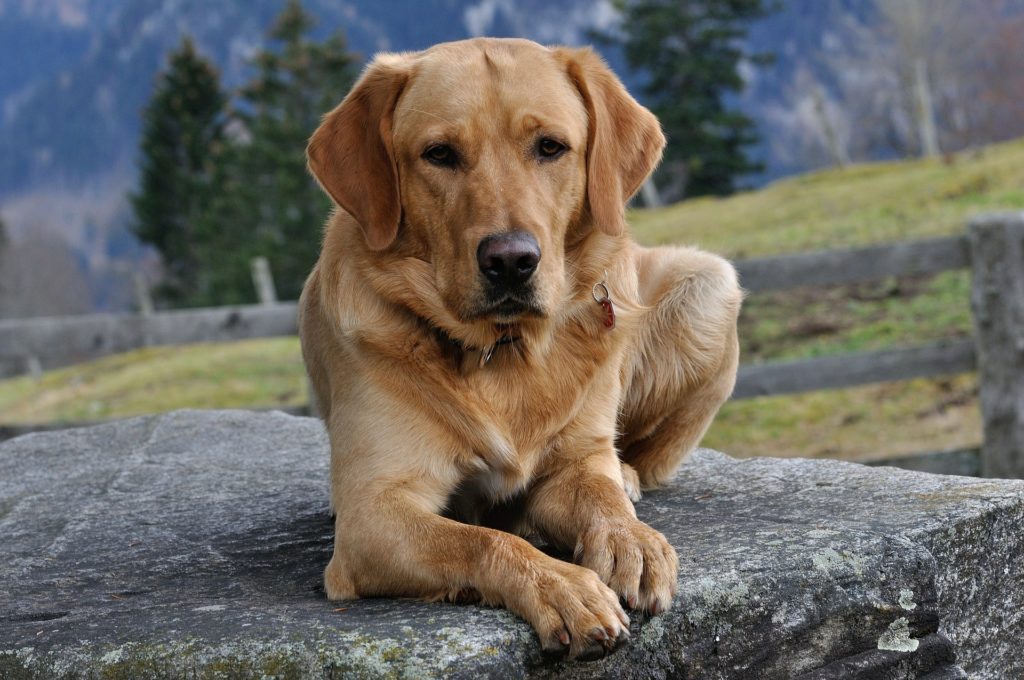
Yellow Labrador Retriever resting on a rock
Yellow Labrador Retriever

Labrador Retriever Traits

Labrador Retrievers stand between 21 and 24 inches tall and weigh between fifty to seventy-five pounds. Although some males have weighed in over 100 pounds! Depending on their size, they are considered a medium to large dog. Their short, thick coat comes in black, yellow, and chocolate. This water-repellant double coat sheds so they should be brushed regularly and require only an occasional bath. Regular nail trimming and teeth brushing is necessary as well to maintain proper hygiene.

The Labrador Retriever is high energy and strong. To instill good habits, socialize and train your dog from puppyhood. Labs require a good deal of exercise and playtime to remain physically and mentally fit. They need a lot of exercise every day and their favorites are swimming and retrieving. They are a good fit for canine sports like agility, tracking and obedience.

While Labs are great companion animals they were originally bred as working dogs. This breed is regularly used in search and rescue, drug and bomb detection, and as service and assistance animals. They also make great hunting dogs.

Three black labrador retrievers looking out over the water
Three Black Labrador Retrievers on Dock

While there is only one breed standard for the Labrador Retriever, there are two recognized types of Labrador Retrievers. There is the English Labrador, bred for show or conformation, and the American Labrador, bred for work and field trials. These differences are easy to see when placed next to each other.

Compared to an American Labrador, the English Lab has a more substantial look about them. They are stockier, with barrel chests, a wider head, and a shorter muzzle. The neck is thicker to support the wider head and barrel chest. The tail is thicker, wider, and straighter than their American counterparts. Their legs are shorter and, hence, do not stand quite as tall. Bred for show, they are typically closer to the breed standards than the American Labs.

In contrast, the American Labrador has a slimmer, more lithe and agile body frame. The face is narrower and their muzzle longer. They have a thinner coat and the tail tends to have a slight curl. They have longer legs and stand a little taller, up to 24 inches at the shoulder. These dogs are bred for their working ability and less to match the breed standards for show.

There is also a difference in energy level, temperament, and overall disposition. The American Lab tends to be more high energy, needing constant activity to keep them occupied. This need to stay busy can lead to anxiety if not properly channeled. They tend to be more stubborn than their English brothers and more difficult to train. The American type makes a better working dog and the English Lab, with its mellower disposition, generally makes a better family dog.

No matter the type of Lab, this breed is a favorite among dog owners for their good nature and love of human companionship. They are eager to please and make wonderful service dogs. Loyal and devoted to their humans, Labradors love to be part of a family.

Depending on your dog’s size, you will need a large or possibly an extra-large PlexiDor Dog Door to allow your active companion access to the backyard on their terms. Our doors come with a 90-day money back guarantee and a 5 or 10-year warranty depending on style of door. Contact us or call 888-PET-DOOR for more information.

5 Dogs You Can Carry with You

There are dogs you can carry with you as a constant companion. They are perfect for cuddling on the couch, carried in your arms, or toted about in a purse or satchel. These pint-sized pups are easy to take with you at under ten pounds. Don’t worry, their small size doesn’t mean small personality.

Pint Sized Dogs You Can Carry with You

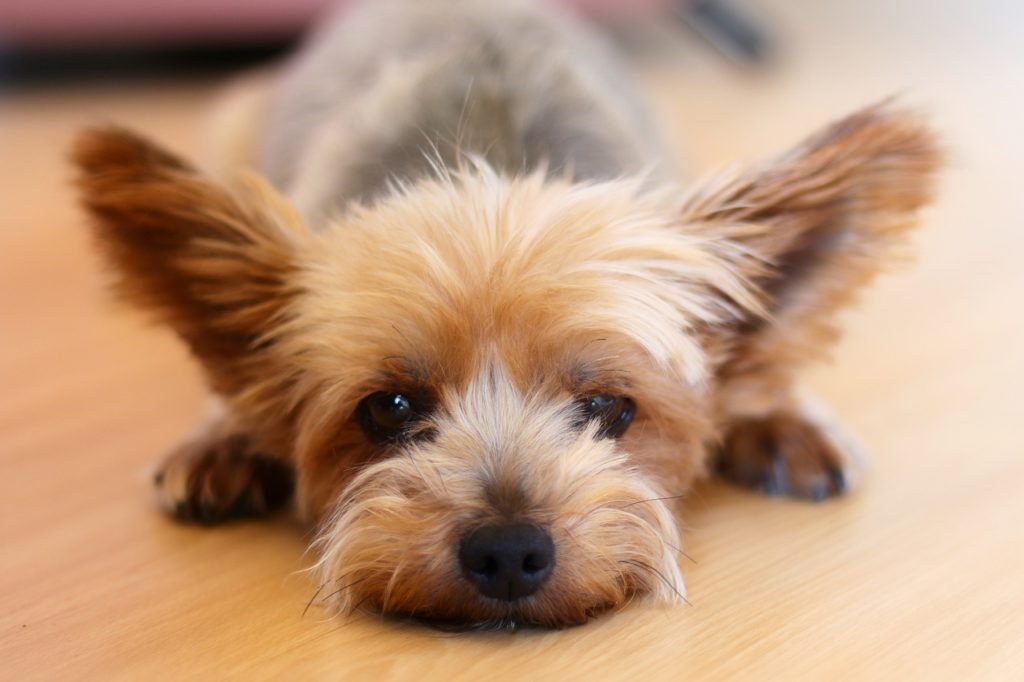
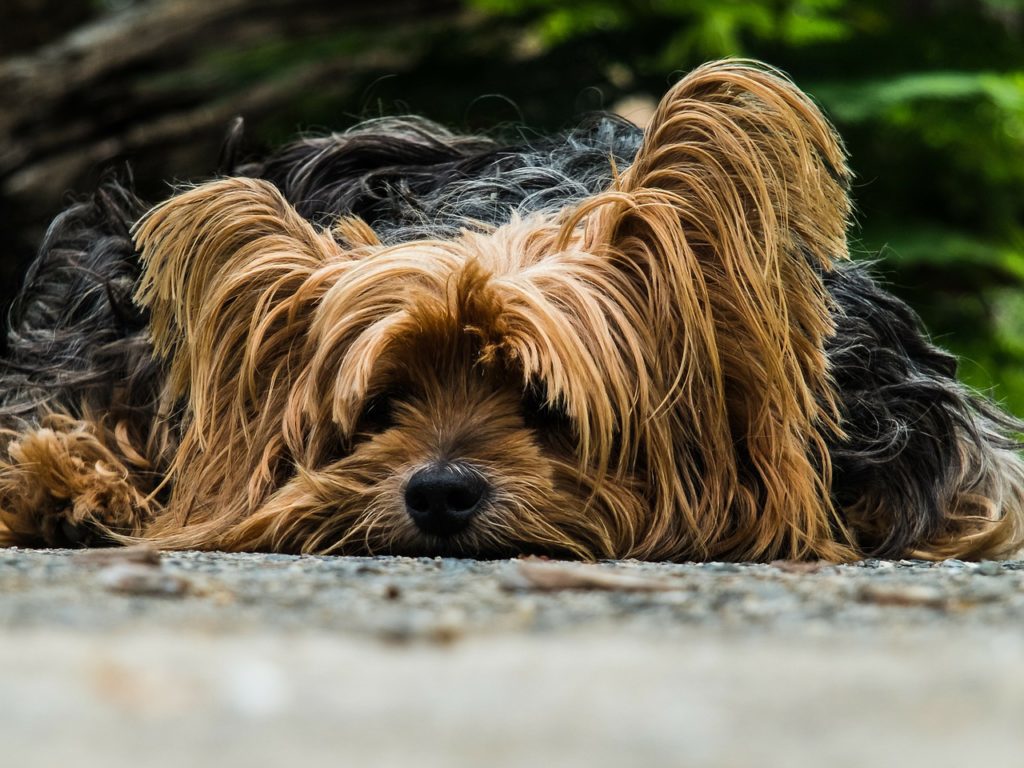
  • Yorkshire Terrier – Ranked number 13 on the American Kennel Club’s Most Popular Dogs List. Yorkies are true terriers in temperament although not more than 7 pounds. This hypo-allergenic breed became popular among the fashionable in the late 1880s. They are still the most popular of the terrier breeds and make wonderful family dogs as they are good with young children.
The Yorkshire Terrier is one of several dogs you can carry with you
Yorkshire Terrier
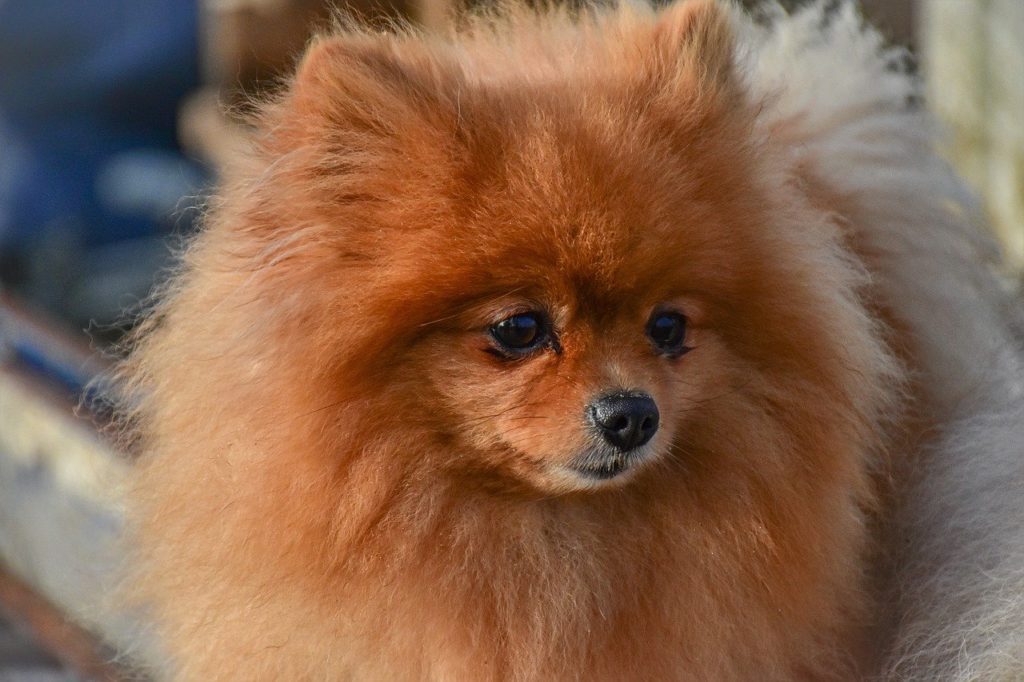
  • Pomeranian – Ranked number 23. Mostly fur, Pomeranians weigh less than seven pounds and stand a mere six inches tall. They make wonderful companions and are easily trained. They make good family pets with older children and love to play.
Pomeranians weigh only 6 pounds on average
Pomeranian
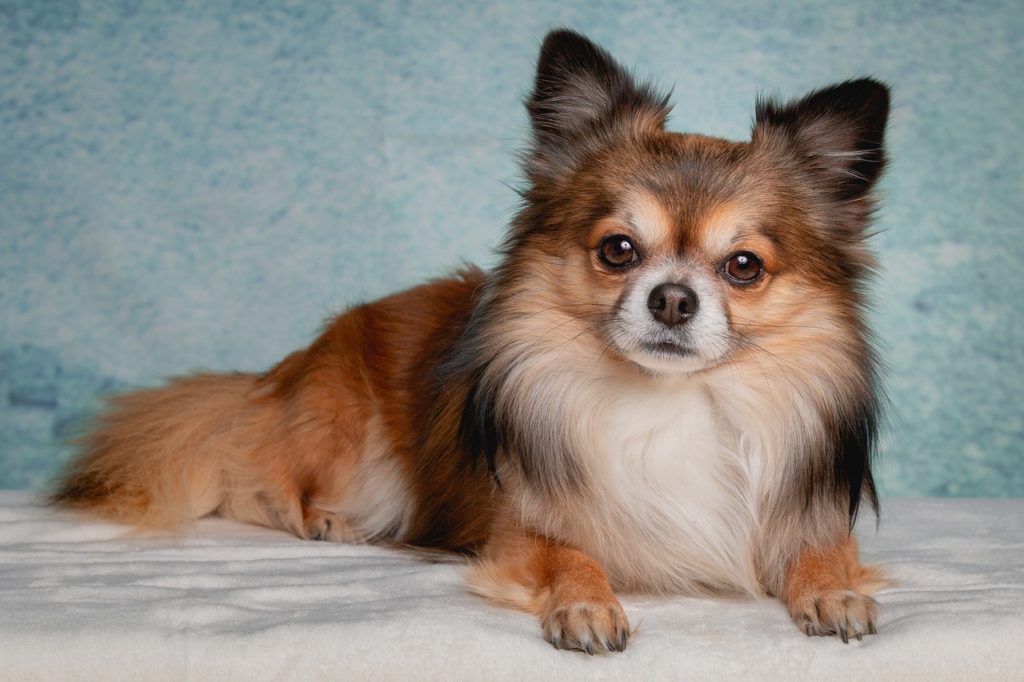
  • Chihuahua – Ranked number 34, Chihuahuas have either a long or a smooth coat. Both need to wear a coat or sweater in the colder months to stay warm. This is a small dog with a big dog personality and training is required to keep them in line. They do not do well with small children, but are good family and companion dogs.
Long haired Chihuahuas require regular brushing
Long Haired Chihuahua
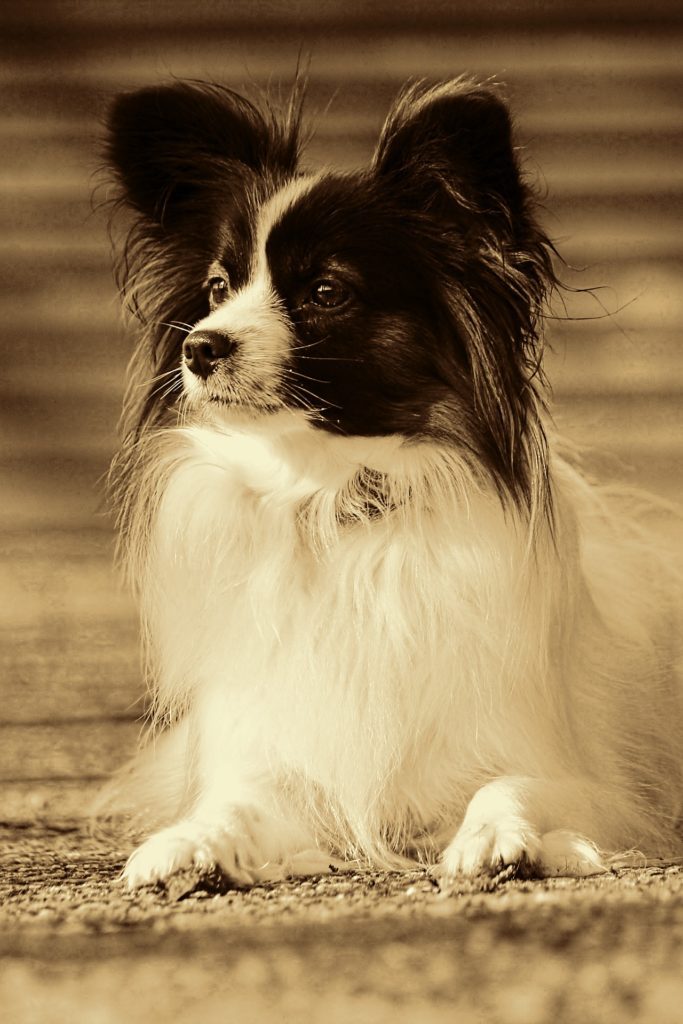
  • Papillion – Ranked number 53, this breed is great for families with children. Although a small, ten-pound dog, they are robust and athletic. They are distinguishable by their wing-like ears they are named for. Papillion is French for butterfly.
The Wing ears on this Papillion are what give it the name.
Papillion
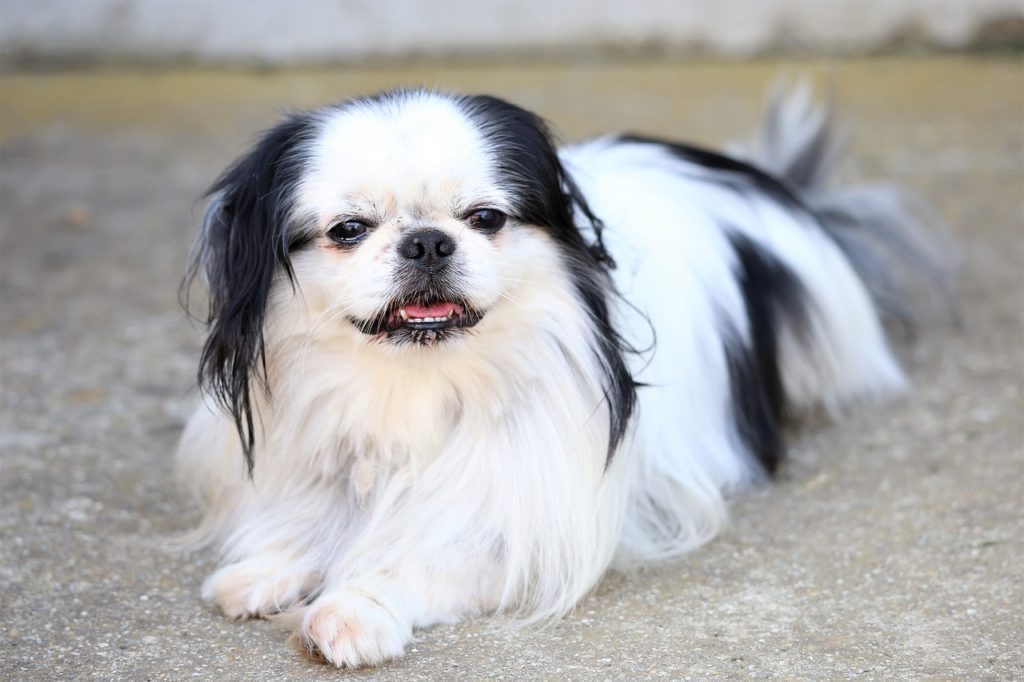
  • Japanese Chin – Ranked number 111, the Chin has a mane around its neck, a short muzzle, a tail gracefully arched over its back and fluffy tufts on its back legs. The breed was refined in the 17th and 18th centuries by Japanese nobles. They are loving family dogs and do well with older children.
Japanese Chin do not do well with small children
Japanese Chin

Any of these breeds would make an adorable purse pet. These dogs you can carry with you are small in size and big on personality. Each has its own unique facets and traits. When considering a new pet, do your research and choose the right dog for your lifestyle and home. It will make your pet parenthood more successful and enjoyable in the end.

Top 7 Terriers and Their Characteristics

Terriers are by far the most popular type of dog breed. There are many different terriers. In fact, there are 38 terrier breeds represented on the American Kennel Club’s Most Popular Dog Breeds list. The most popular terrier breed, the Yorkshire Terrier, ranks in the Top 15 coming in at No. 13 in 2020. The 2020 list is the most recent at this time.

Yorkshire Terriers are the most popular of the terrier breeds.

The Top 7 Most Popular Terriers

  1. Yorkshire Terrier – This dainty little seven-pound dog has all the energy and feistiness you would expect from a terrier. They have a silky steel grey and tan coat that is grown down to the ground for dog shows. They are known to be good purse pets, due to their diminutive size, and come in at the top of the terriers at, thirteenth overall on the Most Popular Dogs List by the AKC.
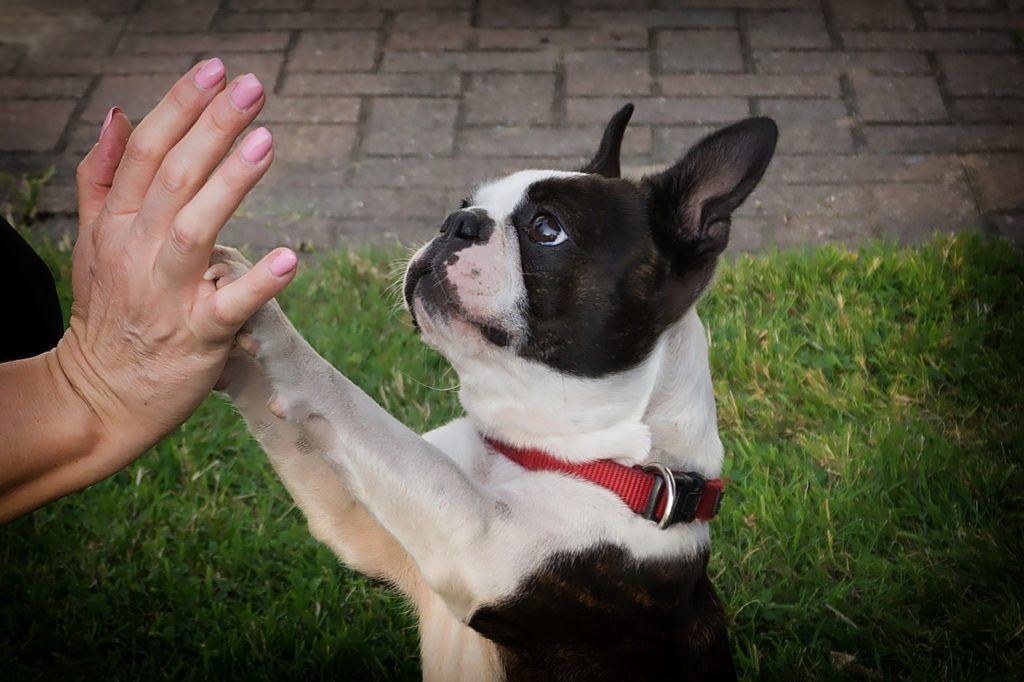
  2. Boston Terrier – At number 21, this amusing little dog is a good all-around family dog. They are affectionate with their family, good with children and get along well with other pets. They can weigh between 12-25 pounds and around sixteen inches in height. They are best known for their black and white markings but do have a brindle and a seal variation in color.
  3. West Highland White Terrier – Westie for short, at number forty-four, will keep you entertained. They are loyal and smart. As the name implies, they are all white and possess striking dark eyes. While fluffy looking, their coat is stiff and rough. They stand 10 inches and weigh 15-20 pounds full grown.
  4. Scottish Terrier – This spirited and independent breed has high energy and require adequate walk and play time each day. They are iconic in all black, however there is wheaten and several shades of brindle variations as well. They stand 10 inches and weigh an average of 20 pounds. This terrier is aloof with strangers and is protective of their people by nature.
  5. Soft Coated Wheaten Terrier – The Wheaten is a larger terrier standing an average of 18 inches and weighing an average 35 pounds. They were bred in Ireland as a farm dog and are affectionate with children and deeply devoted to their family. Their stubborn nature can make them difficult to train.
  6. Airedale Terrier – This eager to please breed is the tallest of the terriers at 23 inches and the heaviest at 50-70 pounds. Known to be clever and courageous, this breed is known for its black and tan markings. Black on the back, sides, tail and up the back of the neck and tan on the legs, head, chest, and stomach. They have been given the nickname ‘The King of Terriers.’
  7. Bull Terrier – While comical and playful with their people, this dog does not do well with other dogs. They stand approximately 21 inches and weigh between 50 and 70 pounds. The bulldog and terrier were originally cross bred for dog fighting. In the 1860s this dog became refined and standardized as the modern, charming Bull Terrier of today.
Boston Terrier high pawing the handler
Boston Terrier giving paw

While there are many differences amongst terrier breeds, there are some characteristics that are true of terriers overall. Terriers, at the soul of the breed, were bred to hunt and kill vermin and they have a strong prey-drive toward small, furry animals. They are not good in a house with pets like mice, hamsters and other Rodentia. Smaller pets in general may not be a good idea unless raised together.

They are energetic, active dogs and may be stubborn at times. They should be trained and socialized from an early age. Basic obedience training is a must. Terriers are prone to barking and it is best to allow them active time each day. A walk or play time or both is a good outlet for this high energy dog.

Terriers come in a range of sizes from seven pounds to twenty-three. Depending on size, your pup could need either a small or medium size PlexiDor Dog Door. Our doors our available through walls, doors, and glass and come in either standard or electronic models. Call our Customer Service Department today at 800-PET-DOOR with any questions.

7 of the Top Dogs Favorite Christmas Songs

A British charity, Guide Dogs,  determined from a study they conducted what, if any, were dogs favorite Christmas songs. One thousand dog owners were surveyed. They determined dogs prefer an upbeat, lively song to something calm. They also determined how dogs ranked Christmas songs.

Caroling dogs favorite Christmas songs

Dogs preference to up tempo songs is evident in the results of the survey. Six of the seven songs are upbeat and lively. Only one is at a slower tempo. That’s almost eighty six percent.

It is reported ninety percent of canines enjoy music in general. Music can have an emotional influence on them. Which is important to know at this time of year when there tends to be more stress in the house.

Dogs Favorite Christmas Songs

  • “Last Christmas” by Wham! – This 1984 hit by Wham! hit No. 1 and received ten percent of the votes for this poll. It’s Christmas mixed with a little end-of-relationship sadness with to a perky backbeat.
  • “Jingle Bells” – This song was written by James Lord Pierpont in 1857 and at that time was titled “The One Horse Open Sleigh”. Since then, it has been re-arranged and re-recorded by many different artists.
  • “All I Want for Christmas Is You” by Mariah Carey – This No. 1 hit in more than 25 countries was released in 1994. It soon made its way onto the holiday must-have list and topped the US Billboard Hot 100 again in 2019.
  • “Driving Home for Christmas” by Chris Rea – This 1988 song about being stuck in traffic trying to get home for Christmas touches the heart singing about memories and happy faces.
  • “Silent Night” – This was originally a poem written in the 19th century in Austria by pastor Joseph Franz Mohr and composed by Franz Xaver Gruber. Today, this song is known around the world in almost every language as a traditional Christmas song.
  • “It’s Beginning to Look A Lot Like Christmas” by Michael Bublé – This song was originally written by Meredith Wilson in 1951. Most notably Bing Crosby and The Fontane Sisters have covered it since. However, the version that is popular with dogs is by Michael Bublé.
  • “Wonderful Christmastime” by Paul McCartney – “We’re simply having a wonderful Christmastime”. Is there anything more to say? This song was released in 1979 and has enjoyed airplay ever since. It’s a staple of the season.

It is evident from the list of the dogs favorite Christmas songs that they primarily enjoy upbeat tracks, but otherwise there is a wide range of styles and topics. In fact, “Jingle Bells” wasn’t intended to be a Christmas song at all. Only four of the seven songs were written in the past forty years and none of them in the past twenty-five.

From broken relationships to warm, family feelings this list covers it. Overall, it is clear, dogs vary as much as does their tastes in music. Happy holidays from PlexiDors Dog Doors and a Happy New Year!

Dog Door Installation Tips

To assist your dog in easily enjoying the backyard, consider dog door installation in an outside door, wall, or glass house door. Dog doors facilitate your dog’s freedom to the outdoors and free up your time opening and closing the door to let them in and out. The initial cost of dog door installation will pay for itself in the convenience you and your dog will enjoy. Installation is possible as a DIY. Here are some tips:

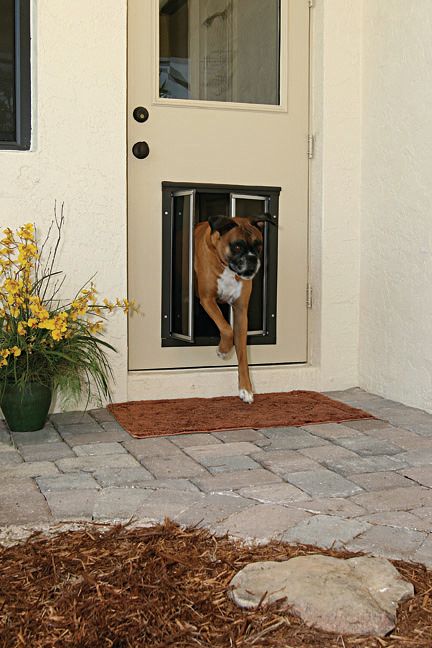
Dog Door Installation of Extra Large Door for Boxer

Tips For Dog Door Installation

  • Choose the Right Door
    • Size – Measure your dog and get the right door for your dog’s size.
    • Substrate – consider where you will place the door and ensure the door you buy is right for the substrate you will place it in.
    • Security and energy-efficiency – there are different levels of security you can achieve in a pet door from locking security plates to electronic doors that utilize microchips in a collar. Ensure the dog door you choose is energy-efficient and doesn’t pose a problem with drafts and leaks.
  • Door Template

We are ready to begin the project! Locate the template included in the package. Trace the template on the surface and mark any screw holes. Mark the inside corners of the dog door opening. This shows where you will need to make your cuts.

  • Drill Holes

With a ½ inch drill bit, drill holes in each of the four corners of the rectangle created by the template. To drill holes for the mounting hardware, consult the manufacturer’s directions.

  • Make the Cuts

Use a saw to cut the opening of the dog door along the marked outline. Insert the dog door from outside the house. Dog door should be inserted so the side with a flap or doors is on the inside of the dog door. The dog door should sit flush against the door.

  • Attach the Dog Door Frame

Attach the interior frame of the dog door with the supplied screws. Seal the frame with caulk to keep the air outside from entering the home.

These few quick tips on dog door installation are provided as an overall outline of what to expect when installing a dog door and not specific steps for any particular model. Each dog door will be unique. Be sure to consult your manufacturer’s guide for reference during installation of your dog door.

Glass House Dog Door

A popular model is the PlexiDor Dog Door which features shatter resistant saloon-style doors instead of a flap. The Wall, Door and Glass Series doors come with a 10-year warranty while the Electronic Doors come with a 5-year warranty. All their dog doors carry a 90-day money back guarantee. Contact our Customer Service Department for more information or call 888-PET-DOOR.

The Akita, a Working Dog

The brave, noble Akita is highly loyal. The Akita was originally bred to protect royalty and nobility in medieval Japan. They were also used to track and hunt game animals like wild boar and black bear. Due to their breeding, they are courageous, fiercely devoted to their humans and extremely protective.

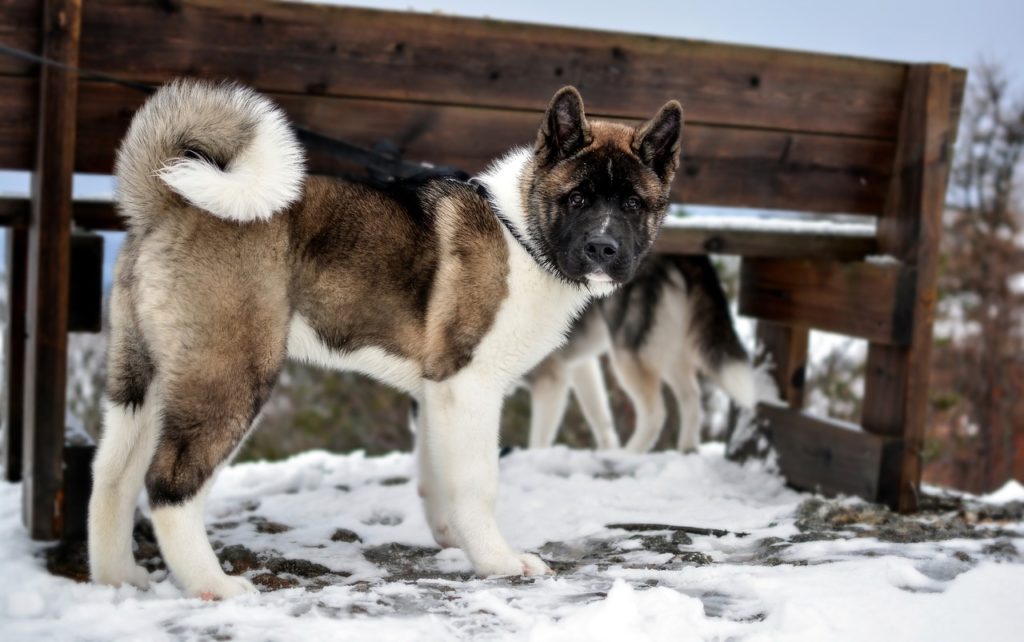
They have a commanding presence standing 24-28 inches tall at the shoulder. Akitas are muscular and Females are 70-100 pounds, while males weigh in between 100-130 pounds. Akitas are characterized by a broad, large head, erect ears, and a tail that curls over their backs.

The Akita in snow
The Akita in snow

Other attributes of the Akita include:

  • their coats are known to be of many different colors including black, brown, fawn, brindle, white and silver.
  • The Akita has a dense double coat over a muscular, thick-boned structure.
  • They typically wear a mask-like marking on their face
  • They do not bark much, instead they have their own unique vocalizations
  • Live 10-14 years

Akitas are clean, almost fastidious dogs. They have little odor. They require minimal grooming, just a brushing once a week. They do shed profusely twice a year and brushing more often is recommended to remove the dead coat. As with all dogs, keep nails short and maintain proper dental hygiene.

The Akita loves to play. They are energetic and fun, but are not highly active. They only have moderate exercise needs. A jog or vigorous walk for 15-20 minutes daily is adequate. They are fond of playing, however, and do enjoy a good game of tug-of-war or a romp around the yard.

It is key to begin training your Akita from puppyhood. They have an independent nature and can be stubborn. As natural protectors, they will need to be socialized around many other people and animals early and often to learn not to perceive them as a threat. They have a strong prey drive and should never be off leash in an open area. They can be aggressive toward other dogs, especially males, as well.

Akitas are loyal protectors of their family, In Japan, they are revered as symbols of good health, happiness, and long life. The Akita should be socialized around all types of situations, people and animals from a young age to teach them they are not a threat and to make them comfortable around these scenarios.

While Akitas Thrive on human companionship and prefer to be with their human, they are not good with children they do not know and not good with strangers. Akitas should be kept apart from other animals, especially other male dogs.

The Akita would need either a large or an extra-large PlexiDor Dog Door depending on their stature. The Wall and Door Series are backed by a 90-day money back guarantee and a 10-year warranty. Contact us or call our Customer Service Department at 888-PET-DOOR.

Livestock Guardian Dogs

Livestock guardian dogs, or LGD for short, are dog breeds whose purpose is to protect and guard livestock from predators. The livestock is typically small farm animals, mostly sheep. Livestock guardian dogs are not the same as herding dogs which monitor and guide the direction and motion of livestock.

LGD specialize in protection. They become a full-time member of the herd or flock. They will have been raised with the herd from an early age, around 4 to 5 weeks of age, and the animals will see the dog as part of the group. The puppies “imprint” on the livestock.

Livestock guardian dogs will stay with the herd at all times, but are particularly helpful while they are in a remote grazing area. They protect the herd from intruders and keep them safe while away from the protection of fences and humans. Their protection methods include vocal intimidation like barking and showing aggressive behavior.

While they are bred to be working dogs, livestock guardian dogs are breeds that make good family dogs. Their caring nature make them good with children and good companions for humans. They do need the right family however. These dogs require a great deal of training, lots of exercise and mental stimulation.

Livestock Guardian Dogs That Make Good Pets

Great Pyrenees – These white thick coated dogs are as powerful and quick as they are mellow and graceful. They are good with children when raised with them from an early age and are affectionate family dogs. They only require moderate exercise such as daily walks and a weekly brushing is all the grooming required. Find out more about the Great Pyrenees .

The Great Pyrenees is a livestock guardian dog known to deter sheep stealing wolves.
Great Pyrenees

Kuvasz – The Kuvasz is an affectionate family dog only moderately good with children. Bred in Hungary as a working dog they require adequate daily activity and a fenced yard to get enough exercise. Grooming consists of weekly brushing and an occasional bath. Training is a must for the Kuvasz puppy and this independent breed may be a challenge for a first time dog owner. Find out more about the Kuvasz .

The Kuvasz originally guarded livestock in Hungary
Kuvasz

Bernese Mountain Dog – The Bernese Mountain Dog is loving toward its family and excellent with children. They require only moderate daily exercise like a half hour walk. Regular weekly brushing, increased to daily brushing during shedding season, is adequate for grooming. They are eager to please and generally easy to train. Find out more about the Bernese Mountain Dog .

The Bernese Mountain Dog is eager to please and gentle with children.
Bernese Mountain Dog

Each of the livestock guardian dogs listed above stands over two feet tall at the shoulder and can weigh over 100 pounds. They are powerful and sturdy animals with daily exercise needs and should have access to a fenced yard. For the best situation for pets and pet owners alike, PlexiDor Dog Doors suggests an extra-large dog door for these breeds.

The French Beauceron

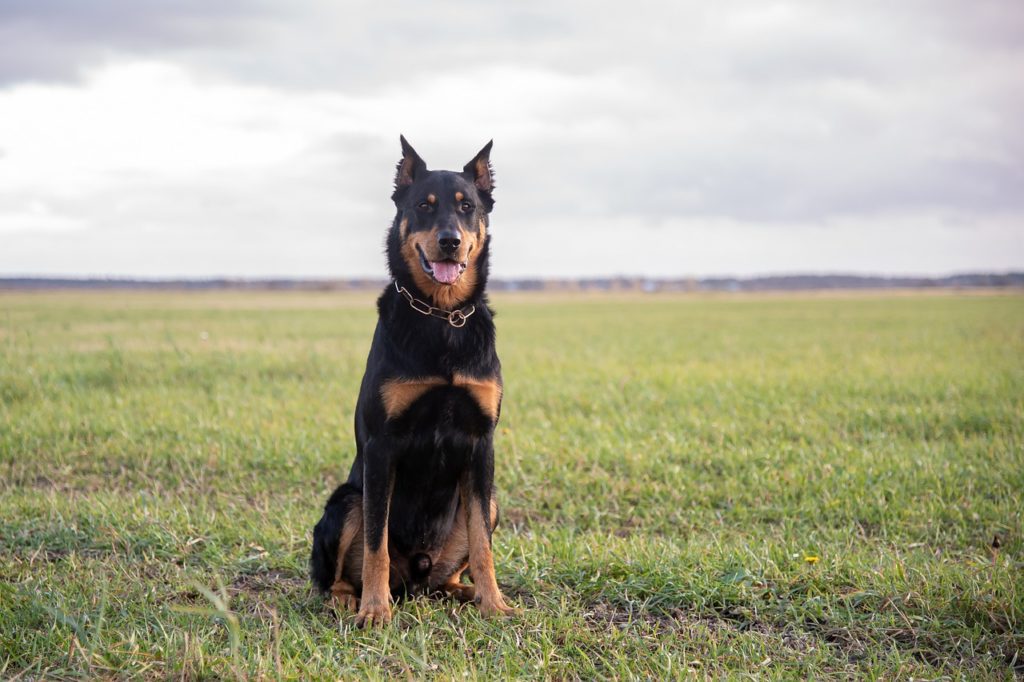
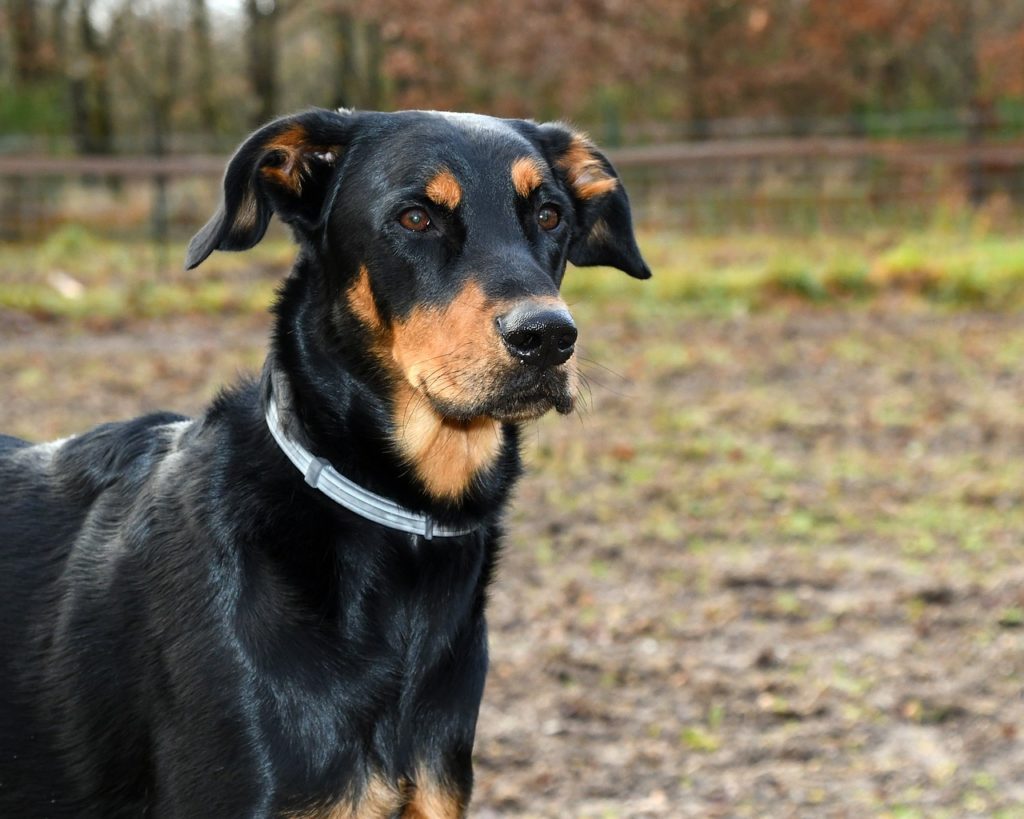
The Beauceron is often mistaken for a Doberman Pinscher. They share the same basic colorings and markings and are built very similarly. The main differences are the Beauceron has a larger head, fuller snout and denser fur than the Doberman.

Beauceron with cropped ears sitting in a field

History of the Beauceron

They were originally bred to herd sheep and cattle on the central plains of France. As a working dog they are both high energy and protective. They’re a highly intelligent breed; brave and calm under pressure.

Beauceron may also be known as Berger de Beauce or Bas Rouge. Berger de Beauce translates to “sheepdog from Beauce”. Beauce is a region in France. While Bas Rouge translates to “red stockings” for their reddish colored feet and ankles.

These dogs served in both world wars as messenger dogs, supply transport dogs, search and rescue dogs, police dogs, and land mine detection dogs. Beauceron still serve the military and police force today in these and other capacities.

Although this breed was originally developed in the late Middle Ages, the Beauceron was only recently recognized as a breed by the American Kennel Club in 2007. They are ranked 124th out of 200 in popularity among dog breeds in the US. They are especially popular among women as a protector and companion.

Breed Traits

This muscular, yet graceful dog stands 24–28 inches tall and weighs 65-100 lbs, depending on sex. They have a smooth, but very thick, double coat. They don’t require much grooming, just an occasional bath and weekly brushing. Beauceron do shed. Regular brushing will help keep the loose hairs to a minimum.

The Beauceron can be found in black and rust, black and tan, tri-color and harlequin. The tri-color or harlequin coloration is gray brindle, black and rust. For years black and rust was the standard coloration, but lately harlequin is becoming more popular.

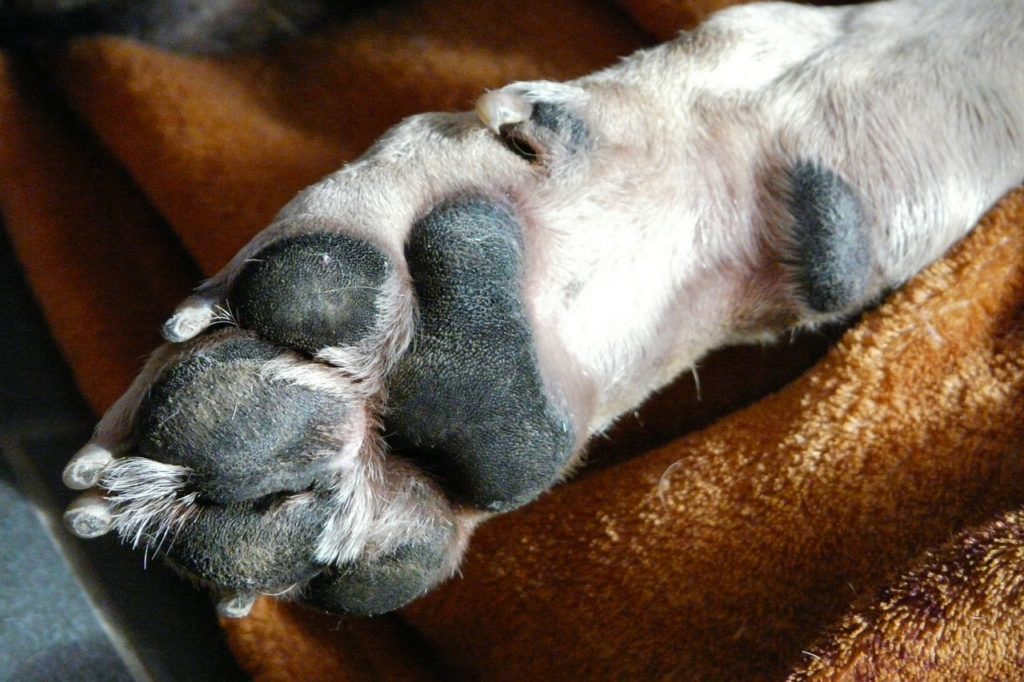
Most dogs have dewclaws. The dewclaw is the toe that doesn’t reach the ground on each foot. An interesting trait of the Beauceron is they have double dewclaws. In order to participate in dog shows, the dogs must have double dewclaws or they will be disqualified.

Temperament

These dogs are protective of their family and territory. They are wary of strangers. They train easily and are a generally gentle breed. Although loyal and caring, they are a herding dog and may chase or nip at small children when playing. They are best around children when raised with them. Otherwise, Beauceron are recommended for older kids.

The Beauceron has distinctive black and rust colored markings

As a high energy, working dog they do well when involved in an activity. Good options are dog agility, obedience, flyball, or tracking and herding events. Beauceron do need regular active daily exercise; bicycling, running, hiking or such. A bored Beauceron can be damaging to property and possessions.

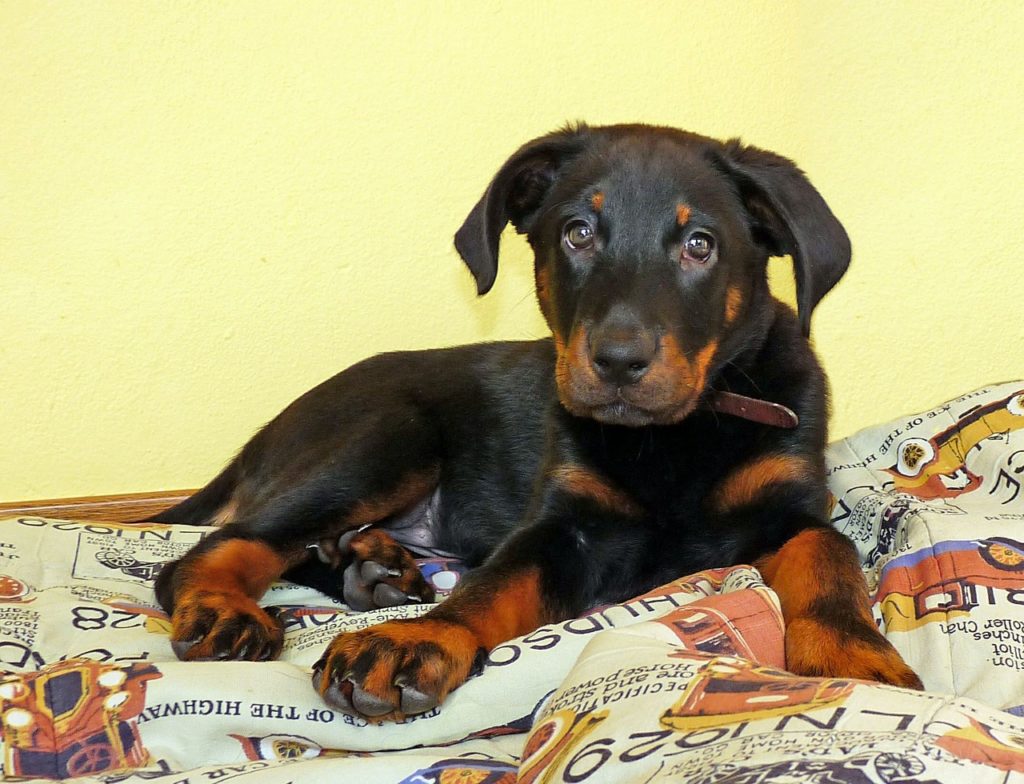
Beauceron puppy

A pet parent of this canine would need a Large PlexiDor Dog Door to allow them access to the outdoors. This will give your active dog the freedom they desire to chase squirrels and run around at will. Contact out Customer Service Department or call 888-PET-DOOR with any questions.

Different Types of Tools For Trimming a Dog’s Nails

You may wonder which of all the tools for trimming a dogs nails is best. There are several different types and options available. Some tools may seem intimidating without proper information and education on how to use them safely.

There are several different types of tools for trimming a dogs nails available.
What Tools For Trimming a Dogs Nails Are Available?

Always use safe, dog-friendly clippers, scissors, or grinders. Remember, it is important to keep a tender and upbeat attitude when working on your dog’s feet. Make it a positive experience for your dog as much as possible and it will be easier for you as well.

There are several types of dog nail trimmers on the market today. They include guillotine style clippers, scissors, and small rotary grinders. Clippers and grinders are more often used as effective tools for trimming a dogs nails.

Types of Tools For Trimming a Dogs Nails

  • Guillotine Style Clippers – Key features of a good pair of clippers:
    • Made of stainless steel
    • Non-slip, ergonomic grip
    • Double blade cutter with tension spring
    • Safety stop to prevent overcutting
  • Small Rotary Grinders – Key features of a good grinder:
    • 45 degree paw guide
    • Different speed options
    • Compact
    • Ergonomic design
    • Cap to catch nail dust and fur
    • Cordless and can be charged with a USB cable
    • Quiet and low vibration
  • Scissors – Key features:
    • Made of stainless steel

It is recommended to start your dog on nail trimming when they are young. You should touch and hold your puppy’s paws often. This will keep them from becoming sensitive to having their paws touched.

Get them accustomed to the tool you will using slowly. Familiarize them with the sight, sound and feeling of the tool as much as possible before actually using the tool on them. Steps to nail trimming familiarization can be found at the linked website.

No matter what tool for trimming a dogs nails you choose; invest time with your pooch to make it a good experience for both of you. There’s no need to rush the process. Take it slow and easy. Nail trimming will be a lifelong experience.

The Parson Russell Terrier

The Parson Russell Terrier is energetic, affectionate, and intelligent. This dog was originally bred from the Fox Terrier and was known as the Jack Russell Terrier by the American Kennel Club until the name was updated in 2004.  They are a hunting breed and with a high prey drive they need lots of exercise.

Parson Russell Terrier

Parson Russell Terrier, Bred for Hunting

These terriers were bred for fox hunting, both above and below ground. They are fast enough to keep up with the fox hounds and small enough to burrow in after a fox to flush him out. Eager and bold, they make excellent huntsman. Known for their strong natural hunting instincts, they have been known to go after small domestic animals as well; such as cats, rabbits, birds, hamsters, gerbils and other pet Rodentia.

Parson Russell Terriers were developed in the mid-1800s by the Reverend John “The Sporting Parson” Russell in the south of England. His passions in life were the ministry and his hunting dogs. He bred terriers to work together with fox hounds to catch their European red fox quarry.

The Parson Russell Terrier is very similar to a Jack Russell Terrier, which was first recognized as a breed by the American Kennel Club in 1997. The breeds have a similar history. The Parson Russell Terrier was known as the Jack Russell Terrier until 2004 when the breed standard was updated by the American Kennel Club. The most striking difference is their size. The Jack Russell is slightly smaller.

The Parson Russell stands twelve to fifteen inches at the withers and weighs thirteen to seventeen pounds. They live an average of thirteen to fifteen years. They have an athletic and balanced body. This means they are as tall as they are long.

High Energy and Low Maintenance

The Parson Russell Terrier has a mostly white coat with black, brown or tri-color markings. There are two types of coats; the smooth coat and the broken or rough coat. Minimal grooming is required. They need only a regular weekly brushing and a monthly bath. Unless there are unusual circumstances, this should be sufficient. This breed sheds minimally and their double coat protects them from the elements.

Rough coated Parson Russell Terrier

Although obedient and clever, on walks, they may not be able to resist running off and chasing small animals. Outdoors, they love to explore every hole, tree trunk and smell. They are friendly and playful dogs who like to join in. They make great family dogs, but should be watched around young children as terriers do not like rough play.

Rewards based training works best with the Parson Russell. Be sure to keep training sessions short as they get bored easily. They are independent problem solvers and have their own ideas on how things should be done. Be patient in training. Starting with an obedience class is recommended. This breed does well in canine sports like agility and flyball.

The Parson Russell Terrier will need a medium (MD) sized PlexiDor Dog Door made of energy efficient, durable materials and backed by a 90-day money back guarantee. We have both standard and electronic dog doors to choose from. Our doors are available for installation in walls, doors, glass house doors, French doors, and sliding glass doors. Contact our Customer Service Department with any questions or call 888-PET-DOOR today. We are here to help!

5 Reasons Dogs Should Wear Clothes and 5 Reasons They Shouldn’t

People have conflicting viewpoints on whether dogs should wear clothes. There are reasons dogs should wear clothes and reasons they shouldn’t. There are four types of dog owners – 1) all clothes, all the time, 2) clothes occasionally, 3) only when it’s cold, and 4) never will I ever. For reference, sixty-six percent of pet owners dressed their pets up for Halloween in 2020 according to a Rover survey. It seems the only when it’s cold crowd and never evers are in the minority.

Keeping your dog warm in the cold is one of the main reasons dogs should wear clothes.

No matter your point of view, we’ve compiled a few of the top reasons for each group.

Reasons Dogs Should Wear Clothes

  • Similar to the effect of a calming vest, clothes may calm and console a dog in distress or suffering from anxiety.
  • Clothes keep small, thin-haired, and well-groomed dogs warm in cold or chilly weather when outside or in cooler homes. It is important to keep in mind there are some breeds that live in climates they were not bred for and a sweater or coat is practical for them.
  • Clothes are a good solution to keep dogs with medical conditions, compromised or weakened immune systems, and older dogs from catching a chill, even when inside.
  • Your dog may stay cleaner in clothes. When they roll on the grass, or in something even less appealing, it will not get on their coat.
  • The dog enjoys dressing up. Some animals like the attention they get from wearing clothes.

One survey found that the majority, almost two-thirds, of dogs are getting dressed up at least once a year. The Halloween costume business for dogs is booming. Holiday frivolity wasn’t even given above as a reason dogs should wear clothes. Read ways to keep your dog safe on Halloween.

This pug is wearing a pumpkin costume.

Despite this, one thing many vets and experts agree on about clothes is; it’s important to keep them comfortable. The garment should be practical, fit well and not rub or chafe.  Make sure the clothes are made of quality materials and consist of nothing with choking hazards, like buttons and bows. Clothes should be easy to put on and take off.

There are reasons dogs should not wear clothes as well. Some people believe the reasons against wearing clothes outweigh the reasons dogs should wear clothes.

Reasons Dogs Should Not Wear Clothes

  • Clothes may cause painful friction or rubbing on a dog’s skin. Dogs with short hair or skin conditions may be more susceptible to skin irritation than others.
  • Clothes may cause a dog to potentially overheat and become sick. Always keep an eye on your pet when they are in clothes indoors and in warmer climates.
  • Clothes cause anxiety and stress. Dogs that are not used to clothes and not comfortable in them should not be forced to wear clothing.
  • Dogs may perceive their movement restricted as a punishment. This relates to dog behavior when one dog will dominate another by physically pinning it down.
  • It’s humiliating for the dog. Some animals do not like to be dressed up. A dog’s body language will allow a tuned in owner know how the dog is feeling.

The above reasons do allow room for exceptions. The against wearing clothes group even agrees there are times and reasons dogs should wear clothes. Put clothes on your pet is if it is outside, a medical condition warrants clothing to keep warm, or age dictates an extra layer against the cold is needed.

In the end, always watch for warning signs the dog doesn’t like what it’s wearing and wants the garment removed. The dog may freeze in place in fear and submission. They may take a more aggressive approach and try to shake it off, bite at it, or roll in something foul so it will have to be removed. Overall, the dog will look generally uncomfortable.